The Irrigation and Fertilization System can meet the water and nutrient needs of plants in a balanced manner. In addition, efficient use of water can be achieved through precision irrigation techniques. Therefore, water waste and costs in agricultural production can be reduced. In this case, rapid growth can be supported by directly supplying nutrients to the root zone of the plants. Furthermore, soil moisture and weather conditions can be monitored in real-time with sensor-supported measuring devices. This enables a quick and accurate response to climate changes. In this way, plant health is protected and crop losses are prevented.Moreover, automatic fertilization evenly distributes nutrients. Therefore, plants receive balanced feeding and better growth. In this case, yield and product quality increase. Furthermore, mobile access enables remote process management. Thus, farmers save time and labor. In this way, irrigation and fertilization stay planned and controlled.
Table of Contents
- Netafim Fertilization Systems
- Netafim Brand Micro Sprinklers
- Reverse Osmosis Systems
- NFT Systems
- Greenhouse Irrigation Systems
- Conclusion
- Frequently Asked Questions
Netafim Fertilization Systems
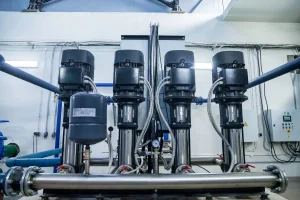
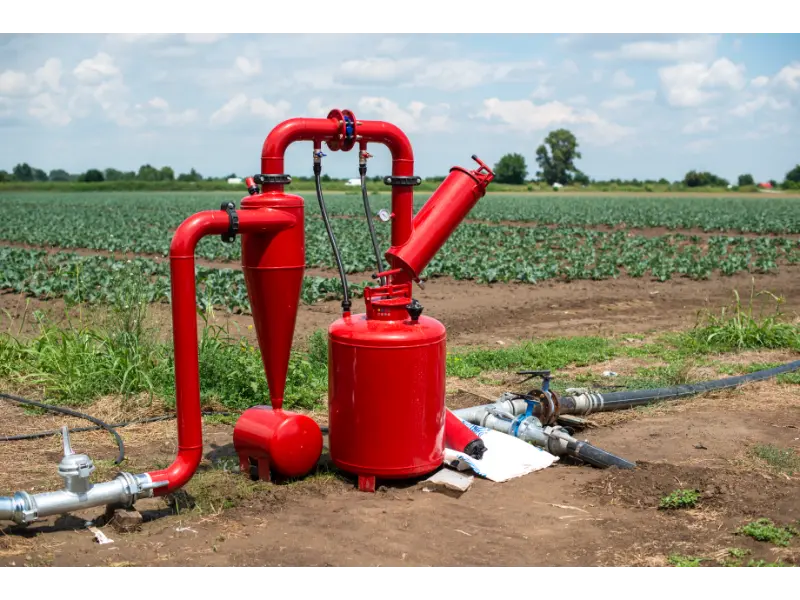
Netafim Fertilization Systems can precisely optimize water and nutrient management in agriculture. They also enable balanced fertilizer distribution according to plant needs. This supports root development and increases crop yields. Consequently, water savings are achieved, reducing production costs. Furthermore, soil moisture and weather conditions can be continuously monitored with sensor-supported monitoring devices. This enables quick and planned responses to climate changes. In this way, plant health is protected and the risk of disease is reduced. Moreover, thanks to mobile connectivity, all irrigation and fertilization processes can be managed remotely. This allows farmers to save on labor and increase productivity. In this case, reporting and data analysis can be performed for long-term planning. Furthermore, reducing chemical use supports environmentally friendly production goals.
Netafim Brand Micro Sprinklers
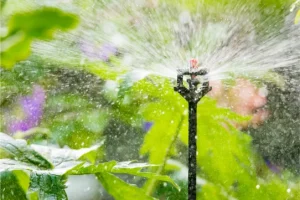
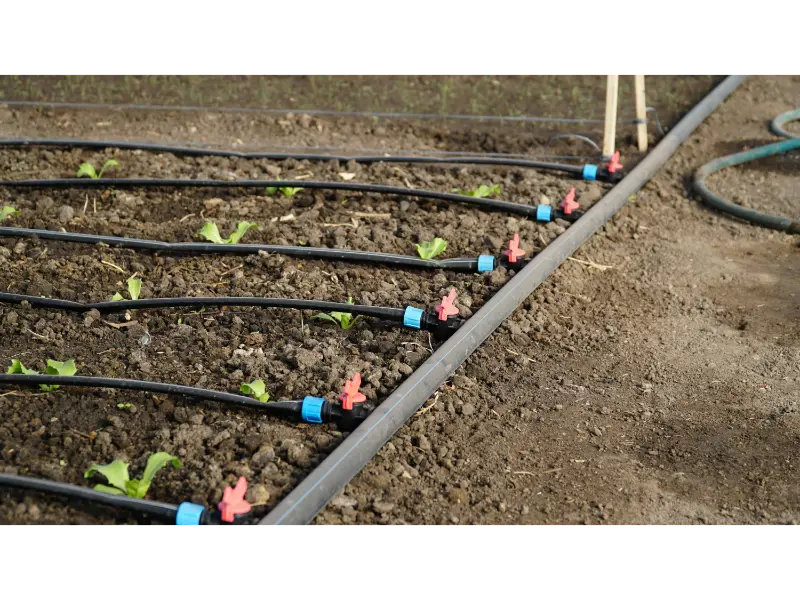
Netafim Brand Micro Sprinklers ensure efficient and balanced water use in modern agriculture. Additionally, by adjusting the droplet size, irrigation can be tailored to the needs of the plants. This preserves soil moisture and prevents water waste. As a result, plant roots develop more healthily and product quality can improve. Furthermore, thanks to the micro sprinkler system, greenhouses and open fields can be irrigated evenly. This allows for easy adaptation to different climatic conditions. In this way, optimal irrigation can be achieved in both vegetable and fruit gardens. Furthermore, the system can deliver high performance even at low pressure. This reduces energy consumption and lowers costs. In this case, farmers can achieve more economical and sustainable production. In addition, irrigation processes can be easily planned with remote-controlled automation features. This saves labor and allows for efficient use of time.

Reverse Osmosis Systems
Reverse Osmosis Systems can efficiently purify harmful substances in water. Furthermore, thanks to special membranes operating under pressure, salt, heavy metals, and microorganisms can be separated. Therefore, reliable solutions can be offered in industrial, agricultural, and drinking water applications. In this case, drinking water quality improves, and healthy use is ensured. Furthermore, the system can be equipped with modern filtration technologies that save energy. Therefore, water purification costs can be significantly reduced. In this way, suitable solutions can be created for both small-scale facilities and large industrial establishments. Furthermore, automation-supported control units can continuously monitor water quality. This allows for the early detection of sudden contamination risks and the taking of preventive measures. This simplifies maintenance processes and extends the system’s lifespan. Reverse Osmosis Systems also offer an environmentally friendly approach with low wastewater rates.
NFT Systems
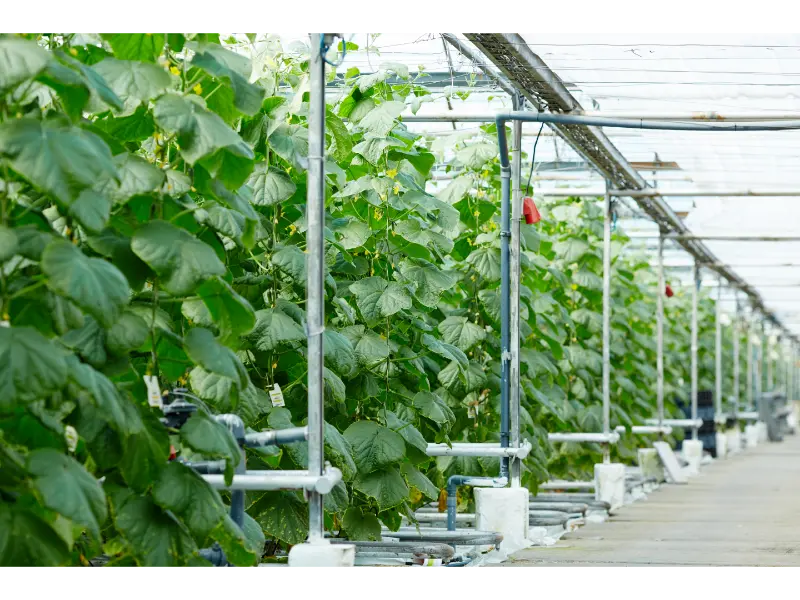
NFT Systems are a modern hydroponic method that efficiently utilizes water and nutrients. This method also eliminates the need for soil, allowing nutrients to reach the plants’ roots directly. As a result, high productivity can be achieved in greenhouses, vertical farming, and indoor production. This saves water and conserves natural resources. Furthermore, water loss can be minimized with a closed-loop water circulation system. Consequently, energy and fertilizer costs can also be reduced. This enables the creation of a sustainable and economical production model. Furthermore, NFT Systems can increase oxygen uptake in plants, enabling them to grow faster and healthier. For this reason, they are widely preferred in vegetable and green production. In this case, consistent and high-quality products can be obtained throughout the year. Additionally, automation-supported control mechanisms can monitor water and nutrient levels in real-time. This facilitates maintenance and management processes.
Greenhouse Irrigation Systems
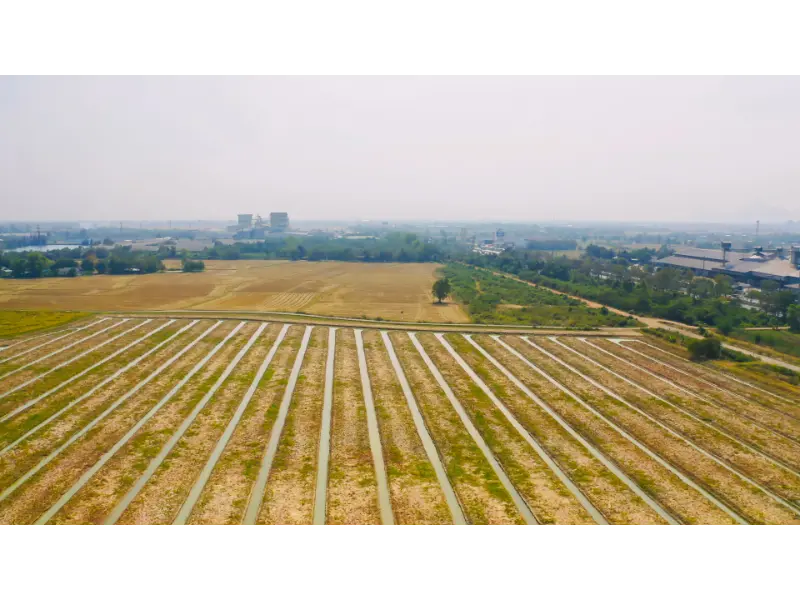
Greenhouse irrigation systems enable the efficient and balanced use of water in modern agriculture. These systems can also deliver the appropriate amount of water to the roots according to the needs of the plants. This reduces water waste and supports sustainable production. As a result, the growth process of the products is accelerated, and increased yields can be achieved. Furthermore, since the moisture balance is maintained, the risk of disease and fungus can be reduced. Therefore, healthy plant growth can be sustained in the greenhouse environment. In this way, consistent and high-quality products can be obtained throughout the year. Furthermore, Greenhouse Irrigation Systems evenly distribute water via drip and misting. Therefore, plant water needs stay balanced under various climates. In this case, fertilizers and nutrients are used efficiently. In addition, automation and sensors precisely control irrigation time. Thus, labor and energy costs decrease.
Conclusion
The Irrigation and Fertilization System can simultaneously support productivity and sustainability in modern agriculture. Furthermore, thanks to the Irrigation and Fertilization System, water and nutrients can be delivered to plants at the most appropriate time. Therefore, the Irrigation and Fertilization System can enable the efficient use of resources by preventing water waste. In this case, plants are nourished in a balanced manner and product quality can be improved. Furthermore, the Irrigation and Fertilization System can reduce labor and energy costs with automation and sensor support. Therefore, producers can carry out a planned, controlled, and economical cultivation process. In this way, long-term and environmentally friendly results can be achieved in both small and large-scale agricultural enterprises.
Frequently Asked Questions
What are Netafim Fertilization Systems? They are precision fertilization solutions that deliver the nutrients plants need to their roots along with water.
What advantages do Netafim Fertigation Systems offer? They increase yield and reduce labor by saving water and fertilizer.
Where are Netafim Brand Micro Sprinklers used? They are used in greenhouses, orchards, and open fields for uniform water distribution.
What are the features of Netafim Brand Micro Sprinklers? They save water with low-flow spraying and gently water plant leaves.
What do Reverse Osmosis Systems do? They filter salt and harmful substances from water to provide clean irrigation water.
Why are Reverse Osmosis Systems important for agriculture? They prevent salt accumulation in the soil, supporting healthy plant growth.
In which productions are NFT Systems preferred? They are used in soilless agriculture, especially in the cultivation of leafy vegetables and aromatic plants.
What are the advantages of NFT Systems? They consume less water and ensure that roots are constantly nourished with oxygenated water.
How do Greenhouse Irrigation Systems work? They water and fertilize according to the plant’s needs with sensor-supported automation.
What do Greenhouse Irrigation Systems offer producers? They ensure high yields and quality products through regular water and nutrient management.