Subsurface drip irrigation is a modern irrigation method that delivers water directly to the root zone of plants. Drip irrigation pipes are placed a few centimeters below the soil surface to prevent water from evaporating and being lost to wind. This ensures that water reaches the root zone directly, thereby increasing irrigation efficiency.
Subsurface drip irrigation reduces water loss and provides water directly to the roots.
Subsurface drip irrigation promotes healthier plant growth while saving water.
Water Conservation and Efficiency
Compared to traditional irrigation methods, subsurface drip irrigation saves 30% to 50% of water. Minimizing water loss is a major advantage, especially in areas where water resources are limited. At the same time, supplying the water needed by plants directly to the root zone creates a healthier and more productive growing environment.
Weed and Disease Control
Drip irrigation pipes placed underground ensure that water is only supplied to the targeted plants. This method prevents water from accumulating on the surface, reducing the growth of weeds and creating a cleaner environment in agricultural areas. At the same time, it prevents leaves and fruits from getting wet, thereby preventing problems such as fungal diseases.
Subsurface drip irrigation provides a productive agricultural environment by reducing weeds and disease risk.
Subsurface drip irrigation increases yield and reduces costs by delivering fertilizer directly to the roots.
Integrated Use with Fertilization
The subsurface drip irrigation system also allows fertilizers to be applied directly to the root zone. This method, known as “fertigation,” optimizes fertilizer use, increasing productivity and reducing fertilizer costs. Since nutrients reach the roots directly, they are absorbed more quickly and efficiently by the plants.
Long-lasting and Economical Solution
Underground drip irrigation systems made from durable materials offer an economical solution in the long term. Unlike surface pipes, they are not exposed to mechanical damage and are not affected by sunlight. With proper installation and regular maintenance, they operate efficiently for years, quickly amortizing the investment cost.
Subsurface drip irrigation represents an important innovation in terms of water efficiency and sustainable agricultural practices. Developed to meet the requirements of modern agriculture, this system enables farmers to manage water resources more consciously and reduce production costs.
Subsurface drip irrigation is an economical solution for sustainable agriculture, providing durability and water savings.
Agricultural Irrigation
Efficient Water Use and Sustainable Agricultural Methods
Efficient water use promotes sustainable production by preventing water waste in agriculture, while helping to increase soil fertility through proper irrigation techniques.
Drip Irrigation
Drip irrigation saves water by delivering it directly to plant roots, while contributing to more efficient plant growth.
Under-tree micro-sprinkling minimizes water loss and supports healthy plant growth by delivering water directly and efficiently to the root zone of trees.
Greenhouse irrigation increases productivity by accurately meeting the water needs of plants in a controlled environment, while also preventing water waste.
Hydroponic irrigation is an efficient and sustainable farming method that provides plants with nutrients by mixing them directly into water without using soil.
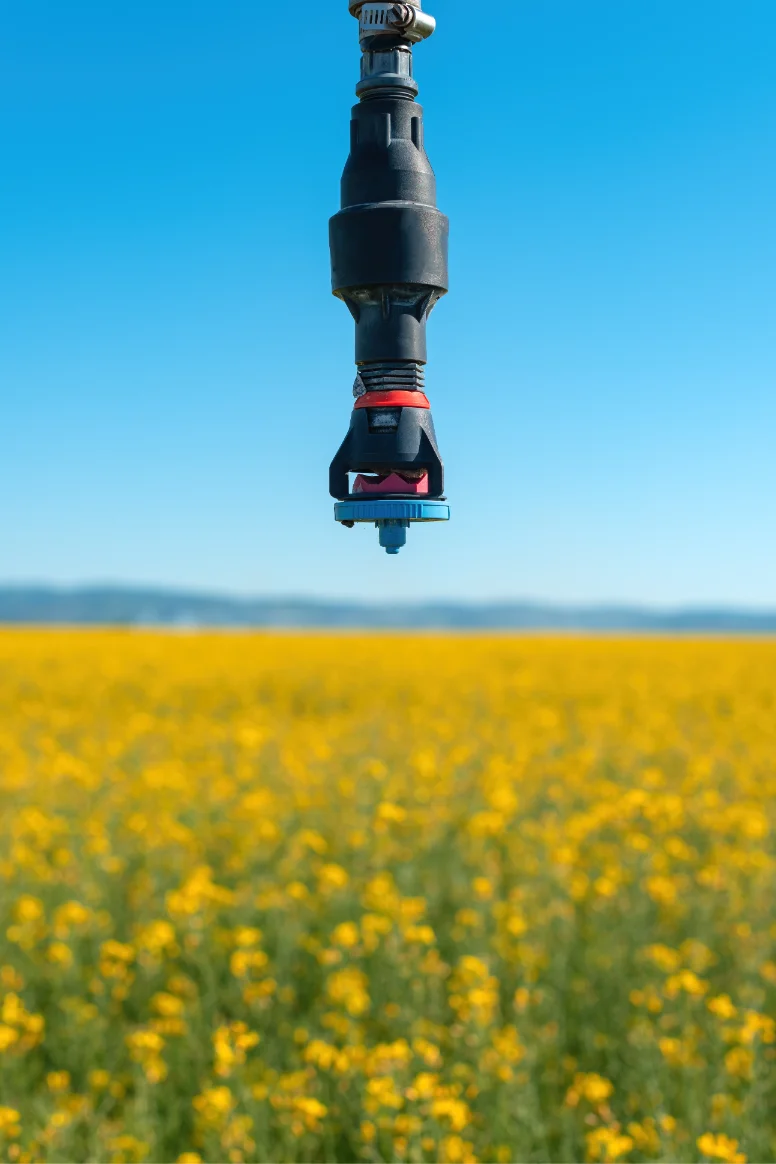
Center pivot systems are an effective irrigation method that increases agricultural productivity while saving water by ensuring that water is distributed evenly across large areas.