Netafim Irrigation Automation is widely used to increase water and energy efficiency in agricultural irrigation. In addition, Netafim Irrigation Automation can precisely manage irrigation programs thanks to automatic control units. Therefore, the water required by plants can be provided at the right time and in the right amount. In this way, increased yield and water savings can be achieved simultaneously. Furthermore, nutrients can be distributed evenly with fertilizer injection systems. This allows for healthier and more balanced plant growth. Consequently, production costs can be reduced and profitability increased. Soil moisture and weather can be continuously tracked with sensor-supported devices. This enables quick, accurate responses to climate changes. Disease risks decrease and pesticide needs drop. Netafim Irrigation Automation lets farmers manage irrigation remotely via mobile devices. Thus, Netafim Irrigation Automation ensures sustainable, efficient production in modern agriculture.
Contents
- Smart Automatic Irrigation Solutions
- Drip Irrigation
- Precision Irrigation
- Smart Irrigation Solutions
- GrowSphere Control Units
- Results
- Frequently Asked Questions
Smart Automatic Irrigation Solutions
Smart Automatic Irrigation Solutions are developed to save water and energy in agricultural production. Furthermore, thanks to sensor and moisture meter technologies, irrigation needs can be determined with precision. Therefore, plants can be provided with the required amount of water at the right time and in the correct quantity. This enables both increased yield and reduced costs. Furthermore, irrigation processes can be managed remotely with automatic control panels. This allows farmers to monitor and control their fields from wherever they want. This facilitates labor savings and time management. Irrigation plans can also be optimized by taking into account rainfall and weather data. This prevents unnecessary water consumption. It can greatly support sustainable agriculture. Working with fertilization and pesticide systems balances plant nutrition. This improves plant health and product quality. Environmentally friendly, economical production can be achieved, and data reported for long-term planning.

Drip Irrigation
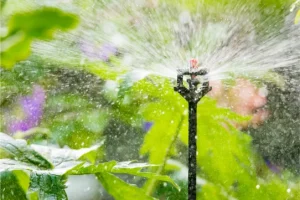
Drip irrigation is one of the fundamental methods of modern agriculture, ensuring the efficient use of water. It also reduces evaporation loss by delivering water directly to the plant root zone. Therefore, water savings and energy efficiency can be achieved simultaneously. In this way, the soil’s moisture balance is maintained, supporting plant growth. Furthermore, it can distribute nutrients evenly by working in conjunction with fertilization systems. This balances plant nutrition and improves product quality. For this reason, it is widely preferred, especially in fruit, vegetable, and greenhouse cultivation. It also facilitates the even distribution of water on sloping terrain. This prevents erosion and soil loss. Therefore, it offers an environmentally friendly and sustainable irrigation solution. Furthermore, the water flow can be precisely adjusted with pressure-controlled drippers. This ensures that each plant receives the exact amount of water it needs.

Precision Irrigation
Precision irrigation is a modern agricultural method developed to use water in the most efficient way. In addition, thanks to sensor and automation technologies, the actual water needs of plants can be measured. Therefore, water and energy savings can be achieved simultaneously. In this way, the moisture balance of the soil is maintained, and product quality can be improved. Furthermore, fertilization and irrigation can be integrated to distribute nutrients evenly. This allows for balanced and healthy plant growth. Consequently, costs can be reduced and productivity increased. In addition, the irrigation plan can be automatically adjusted based on climate data. This prevents unnecessary water loss. Therefore, it offers a reliable solution against the risk of drought. Furthermore, even in large fields, water can be distributed evenly. In this case, each plant can receive the water it needs at the right time.

Smart Irrigation Solutions
Smart Irrigation Solutions are modern systems developed to use water resources efficiently. Additionally, soil moisture and weather conditions can be monitored in real-time using sensor-based technologies. Therefore, the actual water needs of plants can be met at the right time and in the correct amount. This enables water and energy savings. Furthermore, automation allows irrigation programs to be managed remotely. This enables farmers to save time and labor. Consequently, balanced water distribution is possible even on large plots of land. Furthermore, by working in conjunction with fertilization systems, nutrients can be applied in a balanced manner. This supports increased product quality and yield. This makes it easier to achieve sustainable agriculture goals. Also, irrigation plans can be automatically updated based on climate data. This prevents unnecessary water consumption. This enables environmentally friendly and economical production.

GrowSphere Control Units
GrowSphere Control Units are developed to automatically manage irrigation and fertilization processes in modern agriculture. Additionally, with its sensor-based structure, it can instantly measure soil moisture and weather conditions. Therefore, the actual water and nutrient needs of plants can be met with precision. This enables savings in water and fertilizer. Furthermore, cloud-based connectivity provides remote access and control capabilities. This allows farmers to manage their irrigation programs from anywhere. Consequently, labor and time costs can be reduced. Data recording and reporting features also facilitate long-term planning. This supports agricultural productivity and sustainability, enabling the optimization of production costs. Furthermore, irrigation plans can be automatically updated by taking different climate data into account. This allows for a quick response to sudden weather changes. This way, plant health and product quality can be improved.

Results
In conclusion, Netafim Irrigation Automation is an innovative technology that maximizes water and energy efficiency in modern agriculture. Furthermore, thanks to advanced sensor and automation support, plants’ actual water and nutrient needs can be met at the right time and in the right amount. Therefore, while production costs are reduced, product quality and productivity can increase steadily. In this way, even in large agricultural areas, water can be distributed evenly and in a controlled manner to every point. Furthermore, irrigation processes can be easily planned and managed thanks to mobile access, remote monitoring, and detailed reporting features. Therefore, Netafim Irrigation Automation offers a reliable solution against climate change and drought risks while supporting environmentally conscious and sustainable production. This ensures both economic gains and the protection of natural resources in the long term.
Frequently Asked Questions
How do smart automatic irrigation solutions work? Water distribution can be automated by analyzing moisture and climate data collected from sensors.
How do these systems contribute to water and energy savings? Water and energy consumption can be reduced by supplying only the required amount of water.
Can the irrigation program be managed remotely with a mobile app? Yes, programming and monitoring can be easily done via an internet connection.
For which agricultural products can the most efficient results be achieved? High efficiency and water savings can be achieved for vegetables, fruits, and greenhouse plants.
Can climate data be automatically included in the irrigation plan? Yes, the system can automatically update the irrigation program based on temperature and rainfall data.
Can it work in conjunction with fertilization and spraying systems? Integrated fertilizer injection units enable nutrients to be applied in a balanced manner.
How can plant health be maintained during drought periods? Soil moisture monitoring allows water to be directed to priority areas during critical periods.
How can balanced water distribution be achieved on large plots? Equal water distribution can be achieved with region-based irrigation lines and pressure balancing technology.
What are the initial installation and maintenance costs? Costs may vary depending on the size of the land and the technology selected.
Can malfunctions in the system be detected remotely? Malfunctions can be reported immediately thanks to the sensor and software warning system.