Subsurface irrigation systems save water and increase yields. Water reaches the root zone directly, reducing evaporation loss. This allows plants to receive regular watering and supports healthy growth. Soil moisture balance is maintained, preventing overwatering problems. Fertilizer loss is reduced, and nutrient balance is improved. Furthermore, the spread of root diseases is prevented and product quality can be improved. This facilitates irrigation automation and reduces labor costs. In this way, weed growth is limited and production costs can be reduced. This reduces energy consumption and supports sustainable agricultural practices. Furthermore, environmental impacts are minimized and ecosystem balance is preserved. Consequently, agricultural productivity increases and farmer incomes are strengthened. This reduces the risk of salinity and protects soil structure. In this case, soil health is secured in the long term. Additionally, modern irrigation techniques become widespread and water management is improved.
Table of Contents
- Installation of Subsurface Irrigation Systems
- Benefits of Subsurface Irrigation Systems
- Types of Subsurface Irrigation Systems
- Installation of Subsurface Irrigation Systems
- Precautions During Installation
- Conclusion
- Frequently Asked Questions
Installation of Subsurface Irrigation Systems
The installation of an underground irrigation system saves water and can increase yield. In addition, water is delivered directly to the root zone, reducing evaporation loss. As a result, plants receive regular watering, supporting healthy growth. This maintains soil moisture balance and prevents overwatering issues. In this case, fertilizer loss is reduced and the nutrient balance can be improved. Furthermore, the spread of root diseases is prevented and product quality can be improved. Therefore, irrigation automation is facilitated and labor costs can be reduced. Weed growth is limited and production costs decrease. Energy use drops, supporting sustainable farming. Environmental impacts shrink and ecosystem balance is preserved. Productivity rises and farmer incomes grow. Salinity risk falls and soil structure is protected. Soil health stays secure long term. Modern irrigation spreads and water management improves.
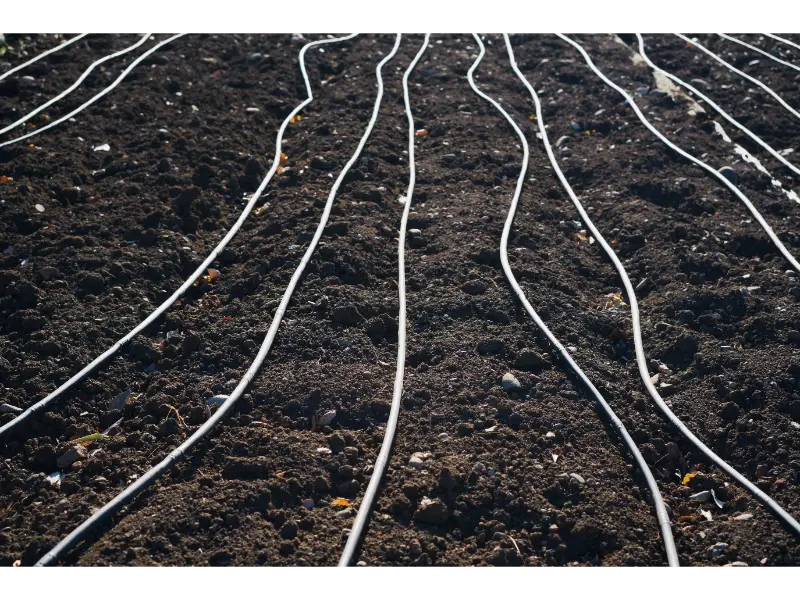
Benefits of Subsurface Irrigation Systems
The benefits of subsurface irrigation systems include water conservation and increased yield. Furthermore, water reaches the root zone directly, reducing evaporation loss. As a result, plants receive regular watering, supporting healthy growth. This helps maintain soil moisture balance and prevents overwatering issues. In this case, fertilizer losses decrease and the nutrient balance can be improved. Furthermore, the spread of root diseases is prevented and product quality can be improved. Therefore, irrigation automation is facilitated and labor costs can be reduced. In this way, weed growth is limited and production costs can be reduced. In this case, energy consumption decreases and sustainable agricultural practices can be supported. Furthermore, environmental impacts are minimized and ecosystem balance is preserved. Consequently, agricultural productivity increases and farmer incomes are strengthened. This reduces the risk of salinity and protects soil structure. In this case, soil health is secured in the long term.
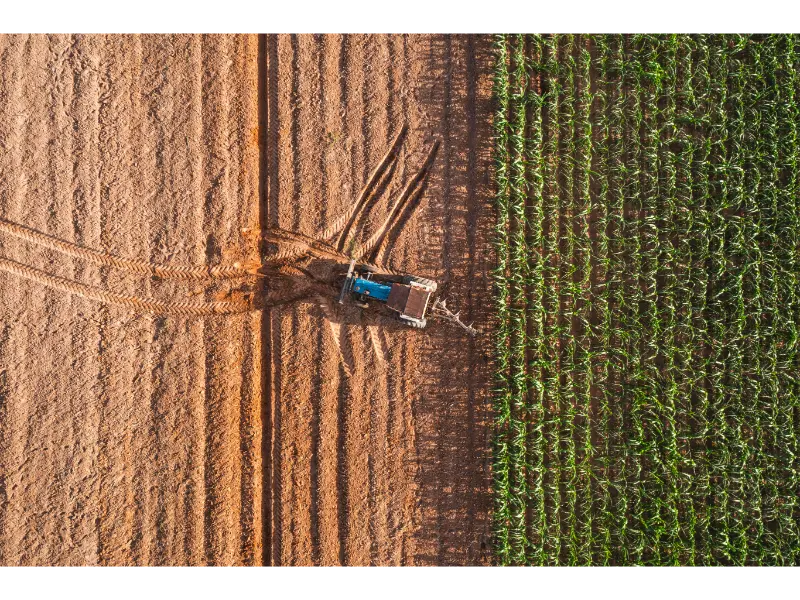
Types of Subsurface Irrigation Systems
Subsurface irrigation systems offer solutions for different agricultural needs. Additionally, drip line systems can deliver water precisely to the root zone. This results in water savings and significantly increased productivity. In this way, plants receive regular watering, supporting healthy growth. Subsurface pipe systems can provide equal water distribution over large areas. Furthermore, porous pipe methods can continuously maintain the soil’s moisture balance. This allows for balanced irrigation in different soil types. This prevents root diseases and improves product quality. In this case, pressure-controlled systems can reduce energy consumption and lower costs. Furthermore, automated solutions reduce labor requirements and simplify management. Precise irrigation planning prevents water loss. Salinity risk falls and soil structure is protected. Climate change adaptation improves and food security is supported. Modern varieties cut environmental impacts and preserve ecosystem balance.
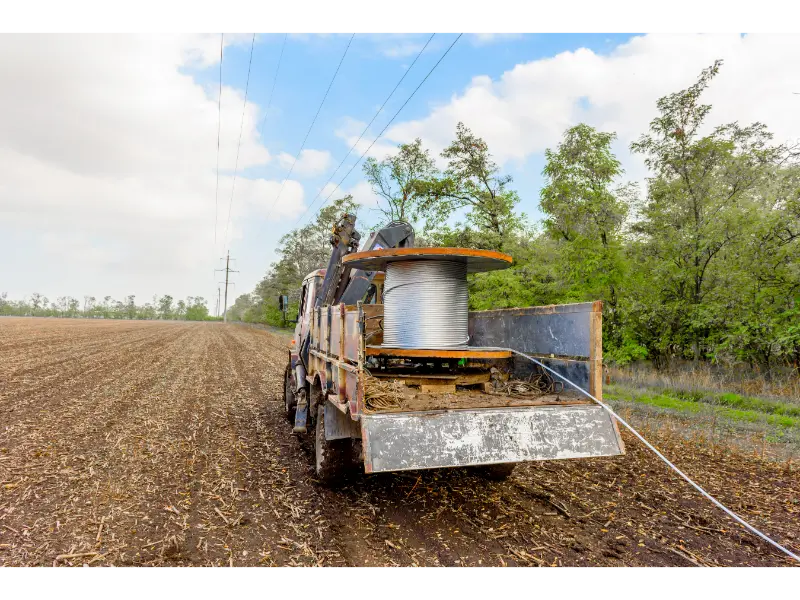
Installation of Subsurface Irrigation Systems
The installation of an underground irrigation system saves water and can increase agricultural yield. In addition, water is delivered directly to the root zone, reducing evaporation loss. As a result, plants receive regular watering, supporting healthy growth. This preserves soil moisture balance and prevents over-irrigation problems. In this case, fertilizer loss is reduced and the nutrient balance can be improved. Furthermore, the spread of root diseases is prevented and product quality can be improved. Irrigation automation is easier and labor costs drop. Weed growth decreases and production costs fall. Energy use lessens, supporting sustainable farming. Environmental impacts shrink and ecosystems stay balanced. Productivity rises and farmer incomes grow. Salinity risk falls and soil structure is protected. Soil health remains secure long term. Modern irrigation spreads and water management improves.
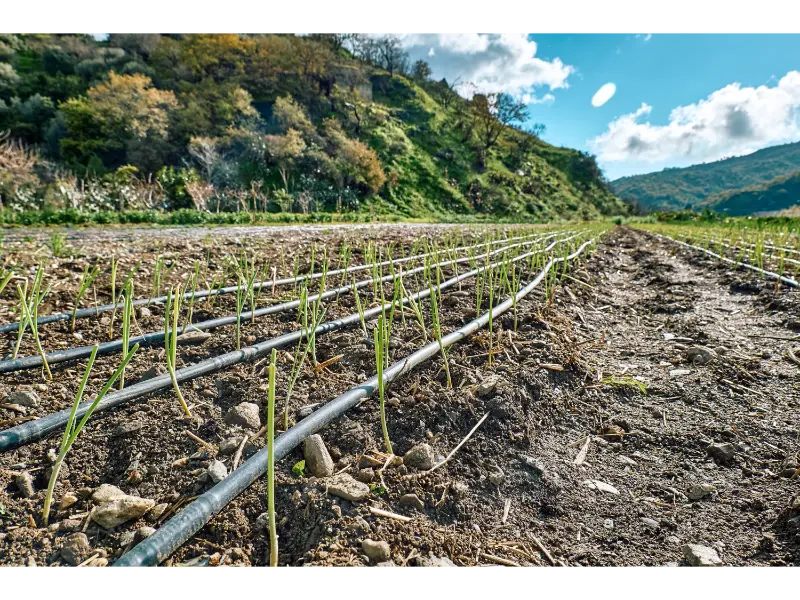
Precautions During Installation
Paying attention to these points during installation ensures the efficient operation of the irrigation system. In addition, soil structure and water requirements can be determined by conducting a land analysis. Therefore, the appropriate pipe diameter and material selection can be planned correctly. This ensures balanced water distribution and reduces the risk of clogging. In this case, filter systems can be installed to ensure water cleanliness. Furthermore, pressure regulators balance water pressure and extend device life. Therefore, pipe depth and distance can be adjusted according to plant type. This supports root growth and boosts productivity. Automation and timing are precisely set. Regular leak checks prevent water loss. System performance is carefully tested initially. Early fault detection eases maintenance. Maintenance plans ensure long-term efficiency. Seasonal water updates save resources.
Conclusion
As a result, the Subsurface Irrigation System saves water and can increase agricultural yield. Furthermore, the Subsurface Irrigation System can support healthy growth by delivering water regularly to the root zone of plants. Therefore, the Subsurface Irrigation System contributes to sustainable agricultural practices and can strengthen food security. In this way, soil moisture balance is maintained and excessive irrigation problems can be prevented. In this case, fertilizer losses are reduced and the nutrient balance of the soil can be improved. Furthermore, the spread of root diseases is prevented, and product quality can be improved. Irrigation automation is easier and labor costs drop. Energy use falls and environmental impacts shrink. Agricultural production continues and adapts to climate change. Soil health and ecosystem balance stay secure. Farmers’ incomes grow steadily, supporting economic sustainability. Modern irrigation spreads faster and water management improves.
Frequently Asked Questions
What is a Subsurface Irrigation System? It is a modern irrigation method that delivers water directly to the root zone of plants, saving water.
What are the most suitable land conditions for installation? Flat or slightly sloped land with balanced water permeability and low salinity risk is suitable.
How long does it take to install a Subsurface Irrigation System? Depending on the size of the land, it can generally be completed in a few days to a few weeks.
What are the main benefits of the system? It provides water savings, reduced fertilizer loss, protection of root health, and increased crop yield.
What types of Subsurface Irrigation Systems are available? Drip line, porous pipe, subsurface pipe, and pressure-controlled systems are commonly used.
What should be considered during installation? Soil analysis, appropriate pipe diameter, filtration, and pressure adjustment are critical.
Does it require maintenance? Yes. Regular filter cleaning, pressure checks, and leak checks should be performed.
How does the system affect energy consumption? Its pressure-controlled structure reduces energy usage and lowers costs.
How does the Subsurface Irrigation System contribute to climate change? It reduces the risk of drought by using water efficiently and supports sustainable agriculture.
What is the system’s lifespan? With regular maintenance and proper installation, it can generally be used efficiently for 10–15 years.