Hydroponic irrigation systems enable plants to be grown in water without using soil. Therefore, nutrients are added directly to the water and reach the roots. In addition, the water used in the system circulates continuously. This minimizes water waste. Furthermore, plants grow faster and more efficiently. For this reason, hydroponic systems can also be used in enclosed spaces. In this case, agriculture independent of seasonal conditions is possible. Furthermore, the risk of disease and pests is also reduced. This way, there is less need for chemical pesticides. Therefore, product quality increases and healthier production is achieved. In addition, the pH and EC values of the water are regularly monitored. In this case, plant growth is ensured under ideal conditions. Furthermore, hydroponic systems are also compatible with urban agriculture.
Table of Contents
- How Is Water Used in Hydroponic Cultivation?
- What Are the Types of Hydroponic Systems?
- Why Are pH and EC Values Important in Hydroponic Irrigation?
- Differences Between Closed-Loop and Open-Loop Hydroponic Systems
- Equipment Required for Setting Up a Hydroponic System
- Conclusion
- Frequently Asked Questions
How Is Water Used in Hydroponic Cultivation?
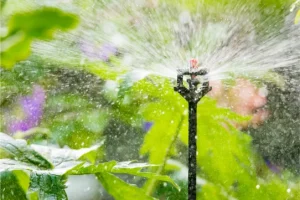
In hydroponic systems, water is delivered directly to the roots along with plant nutrients. Therefore, minerals dissolved in water are used instead of soil. Additionally, the pH and EC values of the water are regularly monitored. In this case, plants receive exactly the nutrients they need. Furthermore, excess water is recycled within the system and reused. This significantly reduces water waste. Furthermore, water loss is minimal in closed-loop systems. Therefore, water management is much more efficient compared to conventional farming. Moreover, irrigation timing is determined by automatic control systems. In this case, plants always receive the correct amount of water. In addition, precise delivery systems such as drip irrigation are used. This ensures an even and balanced distribution of water.

What Are the Types of Hydroponic Systems?
Hydroponic systems can be applied in various types according to different needs. Therefore, environmental conditions should be considered when selecting a system. In addition, the plant type and growth process are also important in the selection. In this way, the most efficient system can be determined and sustainability can be ensured. Nutrient film technique is one of the simplest hydroponic methods. In this method, plants are placed directly in nutrient water. Therefore, it is preferred for its ease of maintenance. In this case, continuous water circulation is not required. Furthermore, the nutrient film technique is also quite common. In this system, water flows over the roots in a thin film. This optimizes oxygen uptake and nutrient distribution. In this way, the roots are in contact with both air and nutrients. Another method is the deep water culture system. In this system, the roots are constantly submerged in oxygenated water.

Why Are pH and EC Values Important in Hydroponic Irrigation?
In hydroponic irrigation, pH and EC values are critical for productivity. Therefore, the chemical balance of the water must be continuously monitored. Furthermore, the plants’ nutrient uptake is directly dependent on these values. In this way, absorption is ensured by maintaining the ideal pH range. Generally, the pH value should be between 5.5 and 6.5. In this case, plants can easily absorb all the necessary nutrients. Furthermore, if the pH value deviates, absorption is impaired.This can cause stress and growth issues in plants. Similarly, EC (electrical conductivity) is important. EC shows nutrient levels in water. Therefore, over- or under-fertilization causes problems. Furthermore, high EC leads to salt buildup in roots. In this case, roots may be damaged and growth stops. Low EC means fewer nutrients. Therefore, growth slows and yield drops. This way, correct EC ensures balanced nutrition.

Differences Between Closed-Loop and Open-Loop Hydroponic Systems
Closed-loop and open-loop hydroponic systems have different irrigation methods. Therefore, water usage should be considered when selecting a system. In closed-loop systems, water is recycled and reused. This saves water and reduces costs. It also offers an environmentally friendly approach. In this case, the nutrient solution must be constantly monitored. In open-loop systems, water is discarded after being given to the plants. Therefore, the risk of water and nutrient waste increases. Also, the cost of the system increases over time. This makes it preferable for large-scale production. Closed-loop systems require more technical control. Therefore, the need for expertise and equipment increases. Open-loop systems are easier to set up. In this case, they are suitable for entry-level producers. They also adapt quickly to system changes.

Equipment Required for Setting Up a Hydroponic System
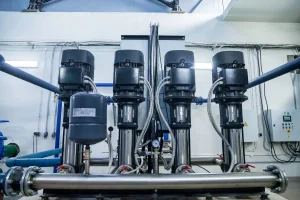
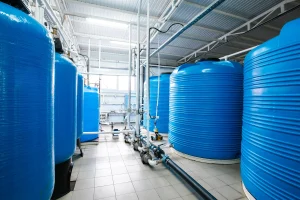
Some basic equipment is essential for setting up a hydroponic system. Therefore, requirements must be determined before the system is installed. In addition, the characteristics of the area to be used must be taken into account. This way, suitable materials can be procured. The most basic requirement is a water tank, where the nutrient solution is prepared. Therefore, it is important that the tank is durable and hygienic. Furthermore, the solution is distributed throughout the system using a water pump. This ensures a continuous and balanced flow. An air stone is used to maintain a balanced concentration of nutrients in the solution. This increases the oxygen level and protects root health. Furthermore, pH and EC measurement devices are also necessary. This allows the nutrient balance to be continuously monitored. Lighting systems are particularly important indoors. This ensures sufficient light for photosynthesis. Additionally, growing beds provide support for the plants.

Conclusion
In conclusion, choosing the right equipment is crucial for those seeking answers to the question, “What are Hydroponic Irrigation Systems?” This is because the answer to the question “What are Hydroponic Irrigation Systems?” is not just soil-less farming, but also efficient, sustainable, and controlled production. Furthermore, the topic of “What are Hydroponic Irrigation Systems?” is also of great importance in terms of the efficient use of resources in modern agriculture. Therefore, needs must be accurately determined and equipment carefully selected before the system is installed. This way, the production process progresses more efficiently and plant growth reaches its maximum level.
Frequently Asked Questions
What is hydroponic irrigation? It is the cultivation of plants using water and nutrient solutions without soil.
How does water circulate in a hydroponic system? With the help of a pump, water is continuously circulated to the plants.
Which plants grow in a hydroponic system? Many plants are suitable, such as lettuce, basil, tomatoes, strawberries, and cucumbers.
What should the pH value be? Generally, the ideal range is between 5.5 and 6.5.
Why is the EC value monitored? It indicates the amount of nutrients dissolved in the water, preventing excess or deficiency.
Is a closed system or an open system more efficient? A closed system saves water and is more efficient in the long run.
Is light necessary in hydroponic systems? Yes, artificial light is essential, especially in enclosed spaces.
Why does water need to be filtered continuously? It is necessary to prevent root diseases and maintain nutrient balance.
Is it possible to set up a hydroponic system at home? Yes, small-scale systems can be used for home cultivation.
What is used instead of soil in a hydroponic system? Inactive media such as hydroton, perlite, and cocopeat are preferred.