The question of what silo storage is often arises in agricultural production and logistics processes. In this case, silo storage ensures the safe storage of agricultural products. Furthermore, these systems are suitable for products such as grain, feed, and seeds. Therefore, post-harvest product loss is significantly reduced. In this way, products remain fresh for longer. Furthermore, humidity and temperature are controlled inside the silo. This prevents the formation of mold and insects. Therefore, it is possible to preserve high-quality products. This also reduces storage costs for producers. In addition, silo systems can operate manually or automatically. This makes the operational process easier to manage. Consequently, agricultural production efficiency increases. This way, products reach the market in a healthier state. Furthermore, vertical silo systems save space. This allows for high capacity even in small areas. Therefore, silo storage systems are suitable for businesses of all sizes. This reduces seasonal production pressure.
İçindekiler
- What Are the Types of Silo Storage?
- Which Products Can Be Stored in Silo Systems?
- Advantages of Silo Storage Systems
- Temperature and Humidity Control in Silo Storage
- Areas of Application for Silo Storage
- Conclusion
- Frequently Asked Questions
What Are the Types of Silo Storage?
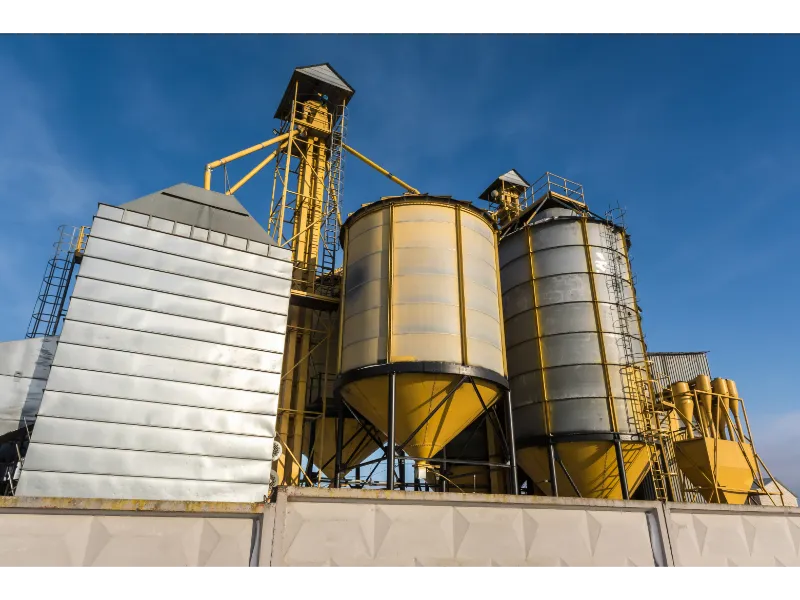
Silo storage systems are designed in various types according to different needs. Therefore, the area of use is a decisive factor. In addition, silo selection according to product type is of great importance. In this way, storage time and efficiency increase. First of all, horizontal silos are commonly preferred. Because these systems are suitable for use in large areas. In this case, they are generally preferred for grain and feed storage. Furthermore, vertical silos save space. Therefore, they offer effective solutions in confined areas. This allows for high-capacity storage. In this case, they are generally used in industrial facilities. In addition, steel silos are durable. Therefore, they offer a robust structure in open areas. This provides protection against harsh weather conditions. Furthermore, concrete silos offer high insulation properties. Therefore, they are safe against temperature variations.

Which Products Can Be Stored in Silo Systems?
Silo systems enable the safe storage of many different products. Therefore, their areas of use are quite extensive. Agricultural products are frequently stored. Grains like wheat, barley, and corn are preserved long-term. Feed varieties are stored in silos. Legumes are kept without spoiling.Legumes can also be stored in silos without spoiling. This reduces the risk of moisture and pests. In this way, quality loss of products is prevented. Special silos can also be designed for seed varieties. In this case, the germination power of the seed is preserved. Furthermore, fertilizers can also be stored in silo systems. This protects them from external factors. This ensures safe storage before application to the soil. Additionally, some industrial granules are also protected in silo systems.

Advantages of Silo Storage Systems
Silo storage systems offer significant advantages in modern logistics and production areas. Therefore, product safety and quality are maintained. Additionally, silo systems save a lot of space. This way, storage capacity is increased. In this case, even large-volume products can be easily stored. Furthermore, automatic discharge systems reduce labor requirements. This saves time and money. Production processes thus become more efficient. Strong protection against external factors is also provided. Products are not affected by moisture, pests, or light. Furthermore, storage is carried out in accordance with hygiene standards. For this reason, it is preferred especially in terms of food safety. Losses and waste are minimized. Stock tracking becomes easier and systematic. Fast shipping and planning are ensured. The structure adapts to different products.
Temperature and Humidity Control in Silo Storage
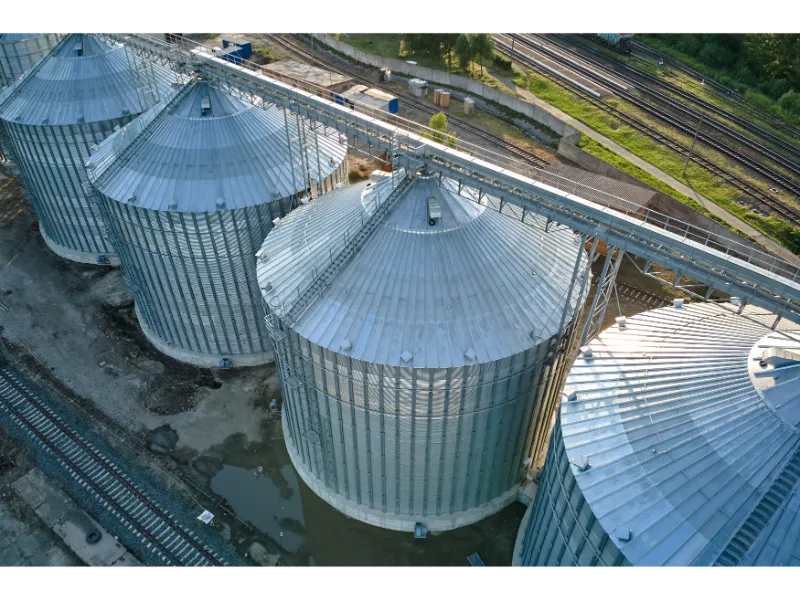
Temperature and humidity control in silo storage is critical for product quality. Therefore, precise monitoring systems are used. Additionally, environmental values are continuously tracked via sensors. This prevents potential spoilage. As a result, the shelf life of the products is extended. Furthermore, temperature fluctuations are balanced by automated systems. Therefore, air circulation within the silo is important. This ensures a homogeneous environment. Additionally, the humidity level must be kept within certain limits. This prevents mold and bacteria growth. Furthermore, grain products, in particular, are affected by humidity changes. Therefore, humidity control is essential for efficient storage. This minimizes product losses. Monitoring systems also facilitate analysis by recording data. This enables businesses to make more effective decisions.
Areas of Application for Silo Storage
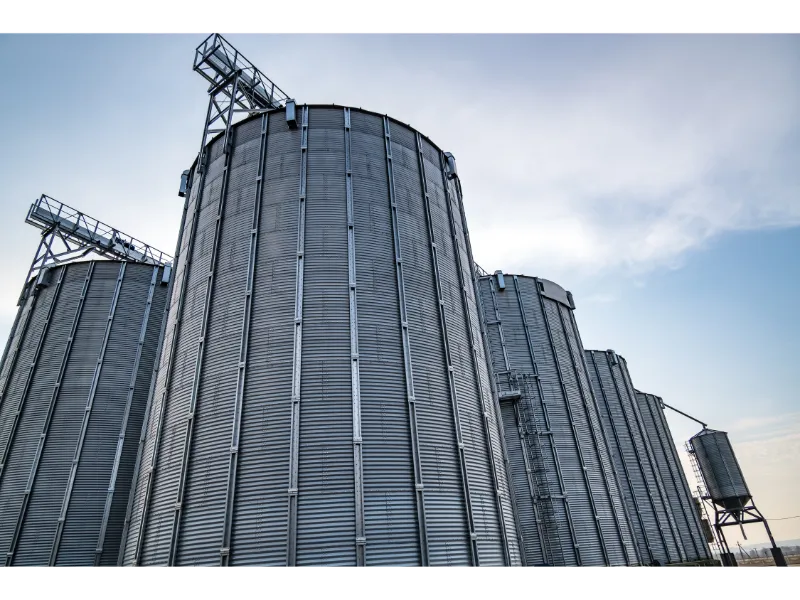
Silo storage has a wide range of applications. For this reason, it is preferred in many sectors. It is also used in agriculture for grain and feed products. In this case, the products can retain their freshness for a long time. In addition, dry foods such as legumes and flour are stored in the food industry. This ensures hygienic and safe storage. Furthermore, feed raw materials are stored in silos in animal husbandry. This allows for the regular feeding of animals. Furthermore, it is used for granular and powdered raw materials in the chemical industry. In this case, chemical structures are protected without deterioration. Granular raw materials can also be stored in the plastics and rubber industries. This ensures that there are no interruptions in production processes. Active ingredients can also be stored in silo systems in the pharmaceutical industry. This preserves the effectiveness of the products.
Conclusion
What is Silo Storage? This question is of critical importance for many industries today. For this reason, it is preferred for the safe, hygienic, and long-term storage of products. It is also actively used in many areas, from agriculture to chemistry, food to construction. In this case, systems suitable for the characteristics of different products have been developed. In this way, temperature, humidity, and hygiene conditions are kept under control. Moreover, automation-supported systems minimize human intervention. Consequently, cost advantages are achieved while increasing efficiency. The answer to the question ‘What is Silo Storage?’ goes beyond storage, serving as a strategic logistics solution that supports sustainable production and quality goals. It has become indispensable in modern industrial processes, reflecting both advances in storage technology and the evolving needs of industries.
Frequently Asked Questions
What is silo storage? Silo storage is a system that enables bulk products to be stored safely and for long periods of time.
Which types of silos are most commonly used? Vertical silos (metal or concrete), horizontal silos, and mobile silo systems are generally preferred.
What products can be stored in silo storage? Products such as grains, feed, sugar, cement, plastic granules, flour, and powdered products can be stored.
Are silo systems only used for agricultural products? No, they are also used in many sectors such as the chemical, construction, and food industries.
What is the biggest advantage of silo storage? The biggest advantages are long-term storage, space savings, and hygienic storage.
Why is moisture control important in silo systems? High moisture can cause products to spoil and mold, so control is critical.
Are metal silos or concrete silos more advantageous? This depends on the intended use; metal silos are portable, while concrete silos are more durable.
Do concrete silos require maintenance? Periodic maintenance is necessary as cracks may form over time.
Should vertical or horizontal silos be preferred? Vertical silos are preferred if space is limited; horizontal silos are preferred if there is ample space.
Are mobile silo systems advantageous? Mobile silos offer highly practical solutions for projects requiring portability.