There is a concept that has been rapidly gaining traction in the agricultural sector in recent years: turnkey orchards. This system is attracting the attention of both individual investors and entrepreneurs looking to venture into agriculture. This is because it offers the opportunity to leave the comprehensive planning, technical knowledge, and time-consuming orchard setup process to professionals.
A turnkey fruit orchard is an investment model where the entire setup, from start to harvest, is completed by expert teams. Soil analysis, irrigation systems, sapling planting, fertilization plans, maintenance, and training processes are all carried out under a single project. The investor simply takes over the result. This saves time and prevents mistakes.
This model is particularly convenient for investors new to agriculture. It also enables the establishment of a high-yield, sustainable, and modern orchard with professional consulting support. With advancing agricultural technologies, automation systems, smart irrigation, and data-driven farming applications have become an integral part of these projects.
In this article, we will discuss what a turnkey orchard is, how it is established, cost calculations, maintenance processes, and key points to consider, step by step. This way, you too can make a secure start in agriculture and lay the foundations for a long-term investment.
Contents
- What is a Turnkey Fruit Garden?
- How to Set Up a Turnkey Fruit Garden?
- Equipment and Technologies Used in Garden Setup
- Advantages of Getting Professional Garden Setup Services
- Fruit Garden Setup Cost and Return Calculation
- Popular Fruit Types and Suitable Regions in Turkey
- Common Mistakes in Orchard Setup
- Fruit Orchard Maintenance and Management
- Things to Consider When Investing in a Turnkey Orchard
- Government Support and Grants for Turnkey Fruit Orchard Projects
- FAQ (Frequently Asked Questions)
What is a Turnkey Fruit Garden?
A turnkey fruit garden is an agricultural investment model in which all processes, from the planning stage to planting saplings, from irrigation systems to fertilization, are completed by professional teams. The investor receives the garden “ready to use” after installation. This saves a significant amount of both time and money.
In this system, the soil structure, climate conditions, and target product type are analyzed first. Then, a project plan is prepared. The sapling type, planting interval, irrigation system, and maintenance schedule are determined. The entire process is monitored by experienced agricultural engineers.
For example, an entrepreneur who wants to invest in a 10-acre walnut orchard will only get results within the time specified in the contract after handing over the land. Once the installation is complete, the orchard is ready, and the maintenance process begins.
Tip: Having a detailed soil analysis done before the project starts significantly increases yield in the long run.
Common mistake: Choosing sapling types unsuitable for climatic conditions reduces the investment’s yield.
Mini summary: Turnkey orchards are an investment model that facilitates entry into agriculture, requires no technical knowledge, and offers professional support.

How to Set Up a Turnkey Orchard?
The setup process begins with planning and analysis. First, the location, topography, water sources, and climate conditions of the land are evaluated. Based on this data, the appropriate fruit type is selected. Then, land preparation, soil cultivation, and drainage system installation are carried out.
Planning and Project Phase
At this stage, the professional team maps every square meter of the land. Tree placement, roads, irrigation lines, and storage areas are planned. Computer-aided drawings and GPS-based measurement systems are used to target maximum yield.
Soil Analysis and Seedling Selection
Soil analysis determines the future of the garden to be established. The pH value, organic matter ratio, and nutrient elements are measured. Based on the results, an appropriate fertilization plan and seedling type are selected. For example, pomegranate or olive may be preferred over apple in calcareous soils.
Tip: Planning a drip irrigation system before establishing the garden saves water and protects plant health.
Common mistake: Planting seedlings without conducting a soil analysis leads to growth problems.
Mini summary: The establishment process achieves success with proper analysis, planning, and professional implementation.

Equipment and Technologies Used in Garden Installation
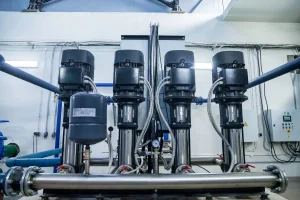
Today, smart farming technologies are widely used in turnkey fruit garden projects. These systems automate irrigation, fertilization, and climate control. This minimizes human error.
Irrigation Systems
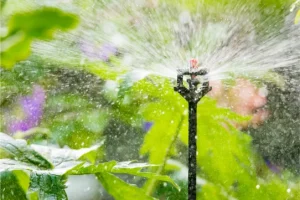
Drip irrigation, micro-sprinkling, and sensor-supported irrigation systems are the most preferred methods. These systems measure the plant’s water needs in real time. They also save water.
Automation and Smart Farming Applications
Soil moisture sensors, energy systems powered by solar panels, and automation controlled by mobile applications increase efficiency. In advanced systems, remote monitoring allows farmers to manage the entire orchard from a single panel.
Example: Smart irrigation sensors automatically activate the system when the moisture level falls below a specified threshold.
Tip: Solar-powered automation systems reduce electricity costs in the long term.
Mini summary: Technology integration is an indispensable element of modern orchards in terms of both productivity and sustainability.

Advantages of Professional Garden Installation Services
Gardens installed with professional support offer higher yields and lower maintenance costs in the long term. Experienced engineers design projects suited to soil characteristics and climate. This prevents incorrect practices.
Time and Cost Savings
In a turnkey system, the entire process is managed by a single entity. This eliminates both time loss and coordination issues. In addition, equipment, labor, and planning costs are optimized collectively.
Expert Support and Warranty Processes
Professional companies provide warranty and maintenance support during the project process. Thus, the investor not only receives the garden but also receives technical support until the first harvest period.
Example: In walnut orchards established by professional teams, a yield increase of up to 30% has been observed within the first three years.
Tip: When purchasing services, clarify the scope of maintenance and warranty in the contract.
Mini summary: Professional installation guarantees the security and sustainability of the investment.

Fruit Orchard Setup Cost and Return Calculation
One of the most frequently asked questions when investing in a fruit orchard is the cost. In turnkey fruit orchard projects, the cost varies depending on the land conditions, irrigation system, sapling type, labor costs, and technology used. On average, calculations are made for a 10-acre orchard, including soil preparation, irrigation infrastructure, sapling planting, and initial maintenance processes.
Initial Investment Items
The main expenses consist of soil cultivation, irrigation system, sapling purchase, labor, fertilization, and maintenance costs. The cost per sapling varies depending on the type and age. For example, although the initial cost is high for long-lived trees such as walnut or olive, the payback period is longer.
Annual Yield and Profitability Analysis
Fruit orchards generally start producing regular yields within 3-5 years. Average yield is calculated based on proper maintenance and climate conditions. Profitability depends on the type of sapling, product price, and maintenance quality.
Tip: Using organic fertilizer and biological pest control in the early years preserves soil structure and increases long-term yield.
Mini summary: When conducting a cost analysis, a 10-year return plan should be used as a basis rather than a short-term one. This makes the investment sustainable.

Popular Fruit Types and Suitable Regions in Turkey
Different regions of Turkey offer ideal climatic conditions for various fruit types. This compatibility is taken into account in turnkey orchard projects. The soil structure and temperature values specific to each region are decisive in terms of yield.
Apple, Cherry, Walnut, Pomegranate, Olive
- Apple: Central Anatolia and the Isparta region are prominent in apple production.
- Cherry: The Bursa and Afyon regions produce high-quality cherries.
- Walnut: Denizli, Balıkesir, and Tokat are ideal for walnuts.
- Pomegranate: The climate of Antalya, Mersin, and Muğla is suitable for pomegranate production.
- Olive: The Aegean and Marmara regions are the natural habitat of olives.
Climate and Soil Compatibility Table
Before planting, professional teams prepare a regional analysis report. This report determines the correct seedling type selection and planting density.
Example: Establishing an olive orchard instead of a walnut orchard in the Aegean Region may be more advantageous in terms of both maintenance and yield.
Tip: Considering market demand and export potential when determining the fruit type increases profits.
Mini summary: Choosing the right region and suitable type is the most critical factor in the success of the investment.

Common Mistakes in Garden Setup
Even in turnkey fruit garden projects, mistakes can sometimes be made. These mistakes usually stem from poor planning, incorrect seedling selection, or maintenance errors.
Incorrect Tree Selection
Tree species that are not suited to the climate and soil conditions experience stress during the growth process. This leads to low yields. Failure to select compatible species can result in leaf fall or root rot in the early years.
Irrigation and Fertilization Mistakes
Overwatering triggers diseases such as root rot. Insufficient watering reduces fruit quality. The fertilization program should be based on soil analysis. Randomly applied chemical fertilizers disrupt the soil’s pH balance.
Example: If there is a blockage in the drip irrigation line, differences of up to 20% can occur between yield areas.
Tip: Have the irrigation system checked at the beginning of each season. Update the fertilization plan seasonally.
Mini summary: The most common mistakes are making hasty decisions, planting without analysis, and neglecting the maintenance plan.

Fruit Garden Maintenance and Management
After installation is complete, the most important stage is regular maintenance and management. This is because proper maintenance directly affects productivity.
Pruning and Fertilization Program
Pruning determines the shape of the tree and the quality of the fruit. Growth pruning is applied in the early years, and yield pruning in subsequent years. The fertilization plan should be based on soil analysis. Organic and chemical fertilizers should be used in the correct proportions.
Pest and Disease Control
The most common problems in orchards are fungal diseases, aphids, and root pests. Environmentally friendly control measures should be implemented using biotechnical traps and natural spraying methods.
Example: Thanks to pheromone traps, it is possible to control pest populations without using chemicals.
Tip: Creating a regular pruning and spraying schedule prevents yield losses.
Mini summary: Maintenance management is essential for the sustainability of the garden and obtaining high-quality products.

Key Considerations When Investing in a Turnkey Garden
When investing in a turnkey fruit garden, choosing the right company is as important as planning. Working with a professional team directly impacts the success of the project.
Choosing a Company
When hiring a garden installation service, be sure to review the company’s reference projects and engineering staff. Prefer companies that work with expert agricultural engineers and have active field experience. Additionally, working with companies that clearly state the contract terms reduces risks.
Contract and Warranty Terms
In turnkey projects, the contract should include the delivery period, warranty coverage, maintenance service, and areas of responsibility. Receiving technical support for at least one season after the project is completed is important for sustainability.
Example: Some professional companies provide periodic maintenance and consulting support until the first harvest. This is a significant advantage for the investor.
Tip: Be sure to check the “yield guarantee” and “maintenance period” clauses in the contract.
Mini summary: Choosing the right company, warranty coverage, and clear contract terms ensure the security of the investment and increase long-term profits.

Government Support and Grants for Turnkey Orchard Projects
The government offers various grant and incentive programs to support agricultural investments. These supports aim to promote rural development and increase agricultural production.
Ministry of Agriculture and Forestry Incentives
Under the “Agricultural Production Support Program,” the Ministry provides grant support for seedlings, saplings, irrigation systems, and energy investments. There is also an additional scoring system for young farmers and women entrepreneurs.
Rural Development and IPARD Supports
The EU-supported IPARD program also covers the establishment of orchards. Under this program, grant support of up to 50% of the investment amount can be obtained. Applications are made through provincial agriculture directorates.
Example: Under IPARD II, entrepreneurs investing up to 100,000 euros can receive a 55% grant.
Tip: Prepare a project feasibility report before applying for grant programs. This increases the chances of your application being approved.
Quick summary: Government support reduces start-up costs and shortens the investment payback period.

FAQ (Frequently Asked Questions)
Depending on the size of the project, it takes an average of 3 to 6 months to complete. This period includes soil preparation, irrigation infrastructure, and sapling planting.
Companies usually provide maintenance and consulting services for the first year after delivery. During this period, irrigation, fertilization, and disease control are carried out.
Although it varies depending on the type of sapling, regular yields usually begin in the third year.
The investor participates in the decision-making process during the planning phase. The implementation is carried out entirely by professional teams.
No. Automatic drip irrigation systems are integrated into the project and generally require no maintenance.
A project file, financial statements, and title deed information are required for IPARD or ministry support.
Soil analysis, water source adequacy, and climate suitability must be checked.
Land areas of 5 acres or more are generally recommended for economic efficiency.
Yes. With proper planning and maintenance, the investment begins to pay off after the fifth year, and the profit margin increases every year.
If you want to make a sustainable and profitable agricultural investment, the turnkey orchard model is perfect for you. With expert support, you can confidently plan all processes, including soil analysis, irrigation systems, and seedling selection.