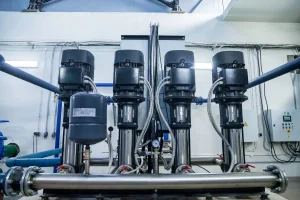
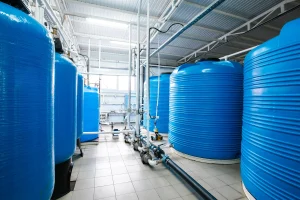
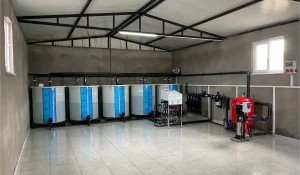
What is a plastic water tank is one of the most frequently asked questions in the field of liquid storage solutions. These tanks are made from durable plastic materials to safely store water, chemicals, or other liquids. They stand out for their hygienic structure, long lifespan, and easy maintenance, making them ideal for both domestic and industrial use.
Table of Contents
- Definition and Basic Features of Plastic Water Tanks
- Types of Plastic Water Tanks
- Applications and Industrial Uses
- Production Process of Plastic Water Tanks
- Advantages and Disadvantages
- Maintenance, Cleaning, and Longevity Tips
- How to Choose the Right Plastic Water Tank
- Comparison with Metal and Concrete Water Tanks
- Summary
- FAQ (Frequently Asked Questions)
Definition and Basic Features of Plastic Water Tanks
A plastic water tank is a container designed to safely store drinking water or industrial liquids. It is usually made of high-strength thermoplastics such as polyethylene (PE) or polypropylene (PP).
These materials are resistant to chemical reactions and UV rays, ensuring the stored water remains clean and uncontaminated. Plastic water tanks do not rust or mold, and their lightweight structure makes them easy to transport.
Key features:
- Resistant to corrosion.
- Produced in various capacities (100 L – 50,000 L).
- Suitable for above-ground or underground installation.
- Made from food-grade, non-toxic materials.

Types of Plastic Water Tanks
Plastic water tanks are categorized by shape, purpose, and installation type. Each type offers distinct advantages.
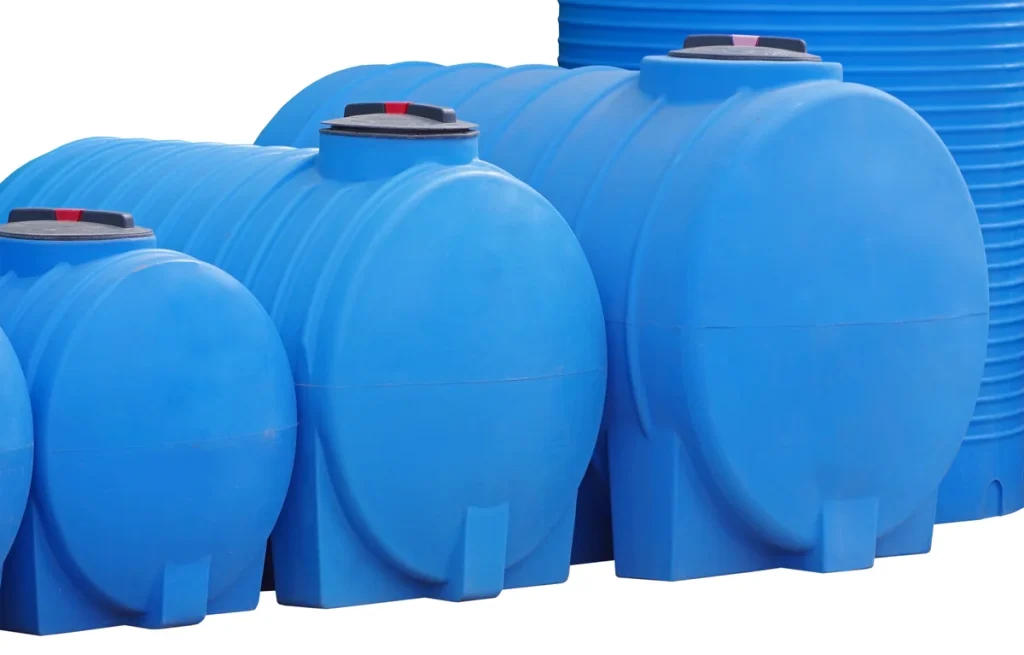
1. By Shape
- Vertical tanks: Space-saving, ideal for indoor use.
- Horizontal tanks: Suitable for low-ceiling spaces or vehicle-mounted applications.
- Cubic tanks: Provide maximum volume in narrow spaces.
2. By Application
- Drinking water tanks (food-grade certified).
- Chemical storage tanks (industrial-grade).
- Rainwater harvesting tanks.
Comparison table:
| Type | Advantage | Application |
|---|---|---|
| Vertical | Saves space | Homes, apartments, small facilities |
| Horizontal | Easy to mount | Vehicles, farms, industry |
| Cubic | Compact design | Balconies, warehouses, small areas |
Applications and Industrial Uses
Plastic water tanks serve across a wide range of industries. Their sturdy construction makes them suitable for both household and commercial use.
Common Applications
- Residential: Drinking water, garden irrigation, rainwater storage.
- Agricultural: Irrigation water, liquid fertilizers.
- Industrial: Chemical and process water storage.
- Construction: Temporary water supply, concrete mixing.
- Emergency: Fire or water outage reserves.
Sectoral Variations
Each industry has specific requirements. For example, the food industry requires FDA-approved materials, while chemical plants prioritize acid resistance.
Checklist:
When selecting a plastic water tank by sector, consider:
- Type of liquid to be stored
- Duration of storage
- Exposure to heat and UV
- Installation environment (indoor/outdoor)
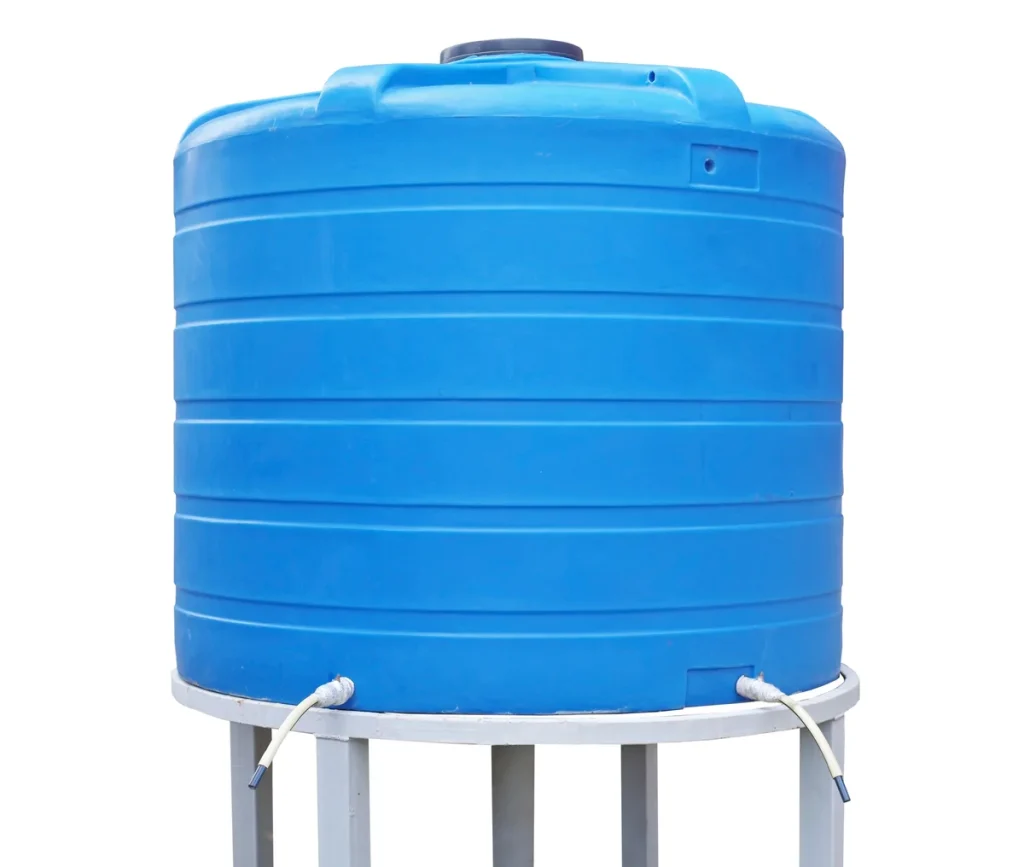
Image description: A large plastic water tank connected to irrigation hoses in an agricultural field.
Production Process of Plastic Water Tanks
Plastic water tanks are generally produced using the rotational molding (rotomolding) technique. This process ensures consistent wall thickness and excellent strength.
Production Stages
- Material preparation: Polyethylene granules are mixed with color pigments.
- Molding: Powdered resin is placed into a steel mold.
- Heating and rotation: The mold is heated and rotated on two axes.
- Cooling: The material solidifies and is removed.
- Assembly: Caps, spouts, and fittings are installed.
Advantages:
- Seamless design prevents leaks.
- Cost-efficient manufacturing.
- Eco-friendly, recyclable materials.
Advantages and Disadvantages
Plastic water tanks offer numerous benefits but also have certain limitations. Understanding both helps make informed decisions.
Advantages
- Lightweight: Easy to move and install.
- Corrosion-resistant: Won’t rust or decay.
- Hygienic: Can be made food-safe.
- Cost-effective: Cheaper than metal or concrete.
- Eco-friendly: Fully recyclable materials.
Disadvantages
- May deform in extreme heat.
- Limited impact resistance.
- Non-UV models may fade under sunlight.
- Long-term chemical exposure can reduce lifespan.
| Feature | Advantage | Disadvantage |
|---|---|---|
| Weight | Lightweight | Needs anchoring in windy areas |
| Durability | Corrosion-resistant | Sensitive to strong impacts |
| Cost | Affordable | May need periodic maintenance |
| Cleaning | Easy | Harder in large-capacity tanks |

Maintenance, Cleaning, and Longevity Tips
Proper maintenance extends the lifespan and safety of plastic water tanks.
Maintenance Tips
- Clean regularly: Every 6 months.
- Inspect the cap: Check seals for leaks.
- Avoid direct sunlight: Install in shaded areas if possible.
- Clean drainage outlet: Prevent blockages.
Cleaning Recommendations
- Use neutral pH detergents only.
- Avoid metal brushes or abrasive tools.
- Rinse thoroughly after washing.

How to Choose the Right Plastic Water Tank
There are many models available, but selecting the right one ensures durability and efficiency.
Selection Criteria
- Capacity: Based on intended use.
- Material quality: Must be food-grade certified.
- UV protection: Essential for outdoor use.
- Color: Darker tanks reduce algae growth.
- Installation site: Surface must be level and stable.
Pro tip: For chemical storage, polypropylene (PP) is often better than polyethylene (PE).
Ask these questions before buying:
- How much water do I need to store?
- Will it be installed indoors or outdoors?
- Should it be portable or fixed?
- Is it for domestic or industrial use?
Comparison with Metal and Concrete Water Tanks
The following table compares plastic tanks with their metal and concrete counterparts.
| Feature | Plastic | Metal | Concrete |
|---|---|---|---|
| Weight | Light | Heavy | Very heavy |
| Installation | Easy | Moderate | Difficult |
| Durability | Medium | High | Very high |
| Cost | Low | High | Medium |
| Cleaning | Easy | Moderate | Difficult |
| Corrosion | None | Possible | None |
| Mobility | High | Low | None |
| Environmental Impact | Recyclable | Energy-intensive | High carbon footprint |
Plastic tanks are ideal for temporary or mobile setups, while concrete tanks are better suited for long-term, fixed installations.

Summary
Plastic water tanks are essential storage solutions for modern life. Their lightweight, affordable, and hygienic structure makes them suitable across sectors. With the right selection, regular maintenance, and proper setup, they can serve efficiently for many years.
FAQ (Frequently Asked Questions)
Yes. Tanks made from food-grade polyethylene (PE) are safe for storing drinking water, provided they are certified.
Depending on conditions, they typically last between 10–20 years. Proper cleaning and UV protection extend their lifespan.
At least twice a year. If the stored water sits for long periods, cleaning frequency should increase.
Yes, but the tank material must match the chemical type. Always confirm compatibility before use.
Unprotected tanks may deform or fade. Use UV-stabilized models outdoors.
Yes, but only specially designed models that can handle soil pressure.
Yes. Dark-colored tanks prevent algae growth. Transparent models are not recommended for drinking water.
It’s rare but possible if exposed to excessive pressure, freezing, or impact. Use models with pressure-relief valves.
No. Moving a full tank may cause deformation or damage. Always empty it before relocation.
Yes. They are made from recyclable materials and can be reprocessed after their service life.
To learn more or get expert advice on choosing the best plastic water tank for your needs, consult a professional. Proper planning ensures long-lasting and safe use.