Subsurface drip irrigation is a modern irrigation technique that delivers water directly to the plant’s root zone through buried drip lines. This approach minimizes water loss caused by evaporation or surface runoff. As a result, it offers both water efficiency and higher crop yields.
With sustainability becoming a central concern in agriculture, subsurface drip systems are gaining attention among farmers worldwide. Especially in arid and semi-arid regions, these systems provide an efficient alternative for maximizing water use and improving productivity. When integrated with fertigation units, they also enable precise nutrient delivery to plants.
In this article, we’ll explore subsurface drip irrigation in detail — from system components to installation, maintenance, and economic benefits. You’ll also learn about common mistakes, best practices, and how to choose the right system for your farm.
Table of Contents
- What Is a Subsurface Drip Irrigation System?
- Advantages of Subsurface Drip Irrigation Systems
- Application Areas and Crop Types
- Installation of Subsurface Drip Irrigation Systems
- Maintenance and Cleaning Processes
- Common Mistakes and Solutions
- Fertigation in Subsurface Drip Irrigation Systems
- Economic and Environmental Impacts
- New Technologies and Automation Systems
- Key Considerations Before Choosing a Subsurface Drip Irrigation System
What Is a Subsurface Drip Irrigation System?
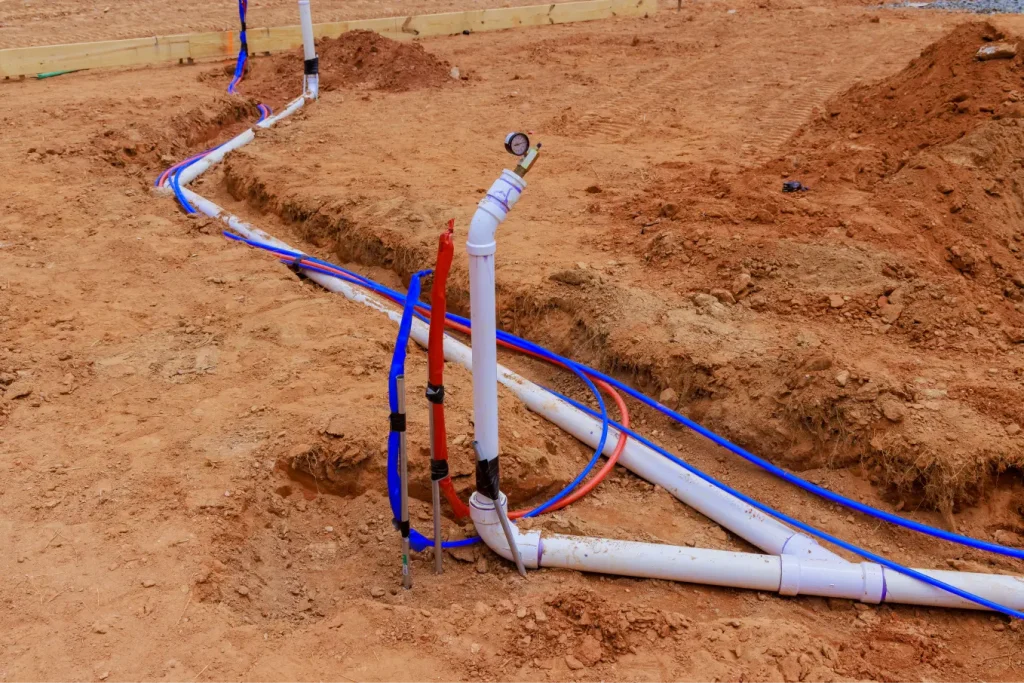
A subsurface drip irrigation (SDI) system delivers water and nutrients directly into the plant’s root zone through drip lines buried 20–40 cm below the soil surface. This prevents surface runoff and evaporation losses.
It is particularly effective for perennial crops and deep-rooted plants such as corn, cotton, alfalfa, tomatoes, and vineyards.
How It Differs from Surface Drip Irrigation
In surface drip systems, water is applied above the soil surface. In contrast, SDI delivers water underground, directly to the roots. This eliminates evaporation losses and reduces weed growth.
System Components
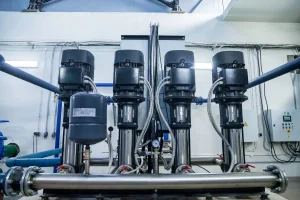
A complete SDI system consists of a mainline, filtration system, drip laterals, control valves, and a fertigation unit. In modern setups, sensors and timers are added for precision control and uniform water distribution.
💡 Tip: Conduct a soil analysis before installation. For clay-heavy soils, use pressure-compensating emitters.
Mini Summary:
SDI delivers water directly to roots, increasing yield while minimizing water loss.
Advantages of Subsurface Drip Irrigation Systems
The biggest advantage of SDI systems is their ability to deliver water and fertilizers precisely to the root zone, enhancing efficiency by up to 40%. In addition, the dry soil surface suppresses weed growth and reduces disease risk.
Water Savings and Efficiency
Traditional irrigation methods lose significant water through evaporation and runoff. SDI systems eliminate these losses. Each emitter delivers a specific amount of water directly to the plant’s root zone, ensuring optimal hydration.
For example, a field study in the Konya Plain (Turkey) showed a 30% yield increase in corn fields irrigated with SDI.
Weed and Disease Control
Because the soil surface remains dry, weed germination is minimized. Moreover, since no water splashes onto leaves, fungal diseases are significantly reduced.
💡 Tip: Use soil moisture sensors to automate irrigation timing. This ensures water and energy efficiency.
Common mistake: Installing drip lines too close to the surface increases evaporation and reduces system performance.
Mini Summary:
SDI enhances water use efficiency, boosts yield, and prevents weed and disease problems.
Application Areas and Crop Types
SDI systems are suitable for a wide range of crops, but design parameters such as root depth, soil texture, and climate should be considered.
Use in Field Crops
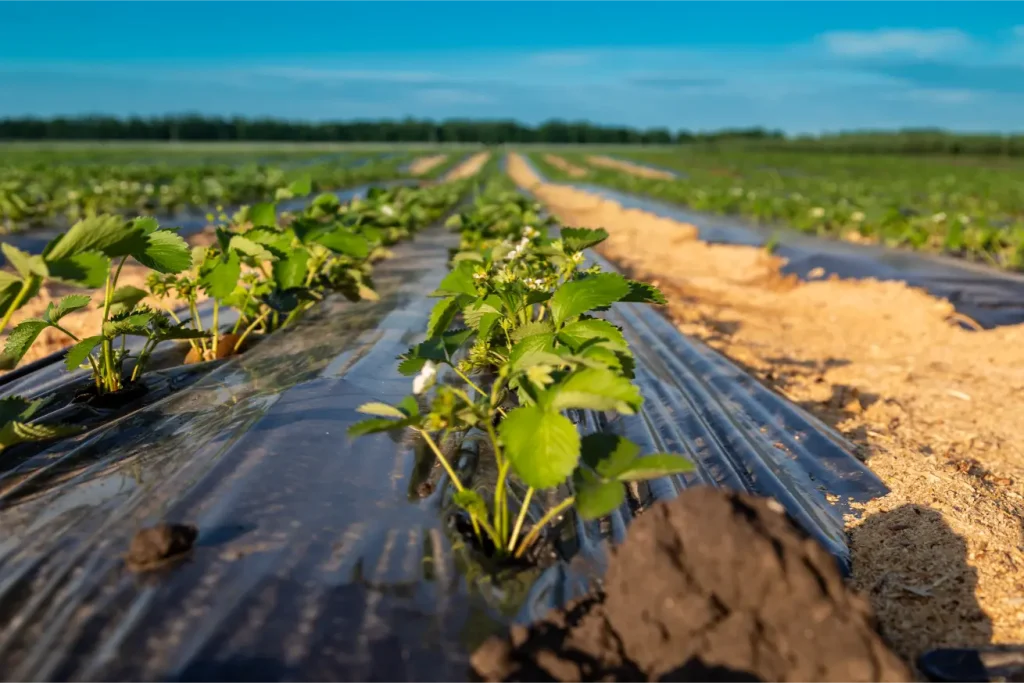
SDI works exceptionally well for large-scale crops such as cotton, corn, sugar beet, and sunflower. Compared to surface irrigation, both water and labor costs can drop by up to 50%.
For example, in Şanlıurfa (Turkey), an SDI system used in cotton fields improved fiber quality and shortened the harvest period.
Use in Orchards and Greenhouses
In greenhouses, subsurface systems maintain optimal humidity and prevent fungal growth by keeping the surface dry. In orchards, equal water delivery ensures consistent fruit size and quality.
💡 Tip: In greenhouses, bury drip lines at a depth of 20–25 cm to ensure roots have easy access to moisture.
Mini Summary:
SDI systems are ideal for both open fields and controlled environments like greenhouses.
Installation of Subsurface Drip Irrigation Systems
Proper planning is the foundation of a successful SDI system. A well-designed system ensures long-term durability and consistent performance.
Planning and Design Stage
The process starts with soil testing — measuring permeability, salinity, and pH levels. Based on these results, line spacing and depth are determined. The mainline and laterals are then laid according to the field slope.
Laying Pipes and Control Equipment
Drip lines are typically buried 25–40 cm deep. Using GPS-guided machinery improves accuracy during installation. Each zone should include air release valves and pressure regulators.
💡 Tip: Prepare a detailed irrigation plan before installation, noting pipe lengths and flow rates. This simplifies future maintenance.
Common mistake: Running unfiltered water through the system can cause emitter blockages.
Mini Summary:
Proper design and quality materials ensure a long-lasting and efficient irrigation system.
Maintenance and Cleaning Processes
Although SDI systems are durable, they require regular maintenance since problems can occur underground.
Importance of Filtration
Filtration prevents emitters from clogging — one of the most common issues in SDI systems. Inspect filters before each irrigation cycle. Choose between sand, disk, or screen filters based on water quality.
For example, when groundwater contains high lime levels, disk filters are more effective.
Methods for Preventing Clogging
Sediment and biological buildup can block emitters over time. Acid flushing with diluted nitric or phosphoric acid helps clean the internal lines.
💡 Tip: Flush the system with clean water at the end of each season to prevent future clogging.
Common mistake: Neglecting filter replacement can reduce system performance by up to 30%.
Mini Summary:
Regular cleaning and filter maintenance extend the system’s lifespan.

Common Mistakes and Solutions
Even small installation or design errors can cause major performance losses in SDI systems.
Pressure Imbalance Issues
Ignoring pressure regulation often leads to uneven water distribution. Some zones may receive excess water while others stay dry. Install pressure regulators at each line to prevent this.
Root Intrusion into Drip Lines
Some plants extend roots toward moisture sources. If emitters lack root barriers, roots can invade and clog the tubes. Copper-infused emitters or root-blocking chemicals help prevent this issue.
💡 Tip: For perennial crops, always use drip lines with root barrier protection.
Common mistake: Installing drip lines on completely flat terrain without slope correction limits water distribution.
Mini Summary:
Balanced pressure and root protection are essential for system efficiency..
Fertigation in Subsurface Drip Irrigation Systems
SDI is not only for irrigation — it’s also ideal for precise fertilizer application, known as fertigation.
Dosage and Timing Tips
Liquid fertilizers are mixed with irrigation water and delivered directly to roots. Nutrient ratios vary by crop stage. For instance, corn requires more nitrogen in early growth and more potassium during flowering.
Automated injection systems allow precise nutrient dosing, minimizing waste and environmental impact.
Yield-Enhancing Practices
Because nutrients reach roots efficiently, plants absorb them faster, resulting in stronger growth and higher quality yields.
💡 Tip: Measure water pH before mixing fertilizers. High pH reduces nutrient solubility.
Common mistake: Mixing incompatible chemicals in the same tank can cause precipitation and clogging.
Mini Summary:
Fertigation provides precision nutrition and enhances yield quality.
Economic and Environmental Impacts
SDI systems are both economically viable and environmentally friendly. Although the initial cost may seem high, the long-term savings are substantial.
Water and Energy Costs
Water use is reduced by 40–60% compared to conventional irrigation. Less pumping also means lower energy consumption.
A 100-acre field study reported a 35% reduction in annual energy use compared to surface irrigation.
Contribution to Sustainable Agriculture
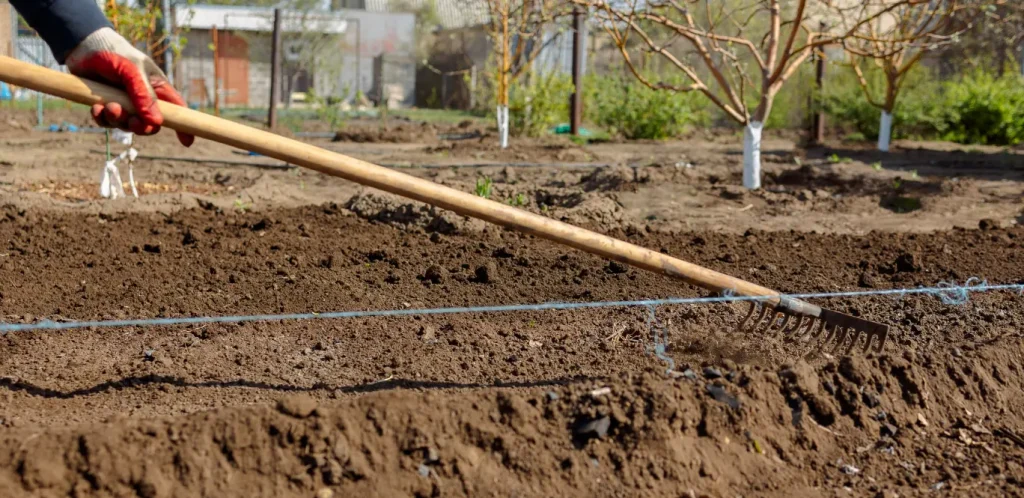
By minimizing surface disturbance, SDI prevents erosion and helps maintain soil structure. Reduced water usage also lessens pressure on groundwater resources and lowers the farm’s carbon footprint.
💡 Tip: Combine SDI with solar-powered pumps to achieve zero-emission irrigation.
Mini Summary:
SDI supports sustainable and cost-effective farming.
New Technologies and Automation Systems
Advances in agricultural technology have transformed SDI into an intelligent irrigation method.
Sensor-Based Irrigation
Soil moisture and temperature sensors now determine when to irrigate. When soil moisture drops below a threshold (e.g., 15%), the system automatically activates the pump.
Remote Monitoring Solutions
IoT-based monitoring platforms allow farmers to manage irrigation remotely via smartphone. Real-time data on flow, pressure, and moisture levels improves precision and reduces downtime.
💡 Tip: Integrate remote monitoring panels to detect issues early and prevent yield loss.
Mini Summary:
Automation and sensors make SDI smarter and more efficient.
Key Considerations Before Choosing a Subsurface Drip Irrigation System
Before investing in SDI, several technical and agronomic factors must be evaluated.
Soil Type and Root Structure
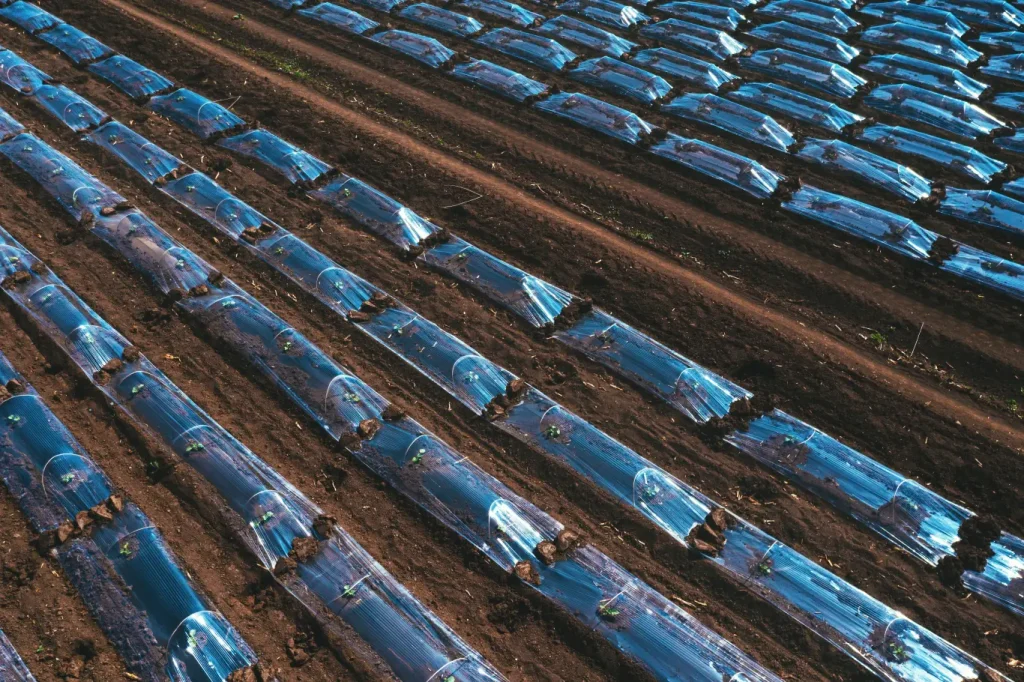
Soil permeability determines emitter spacing and pipe depth. Sandy soils require closer emitters, while clay soils need wider spacing. Deep-rooted crops benefit from lines buried 35–40 cm deep.
Long-Term Maintenance Plan
Create an annual maintenance plan, including filter cleaning and pressure testing.
💡 Tip: Prepare a 10-year maintenance and return-on-investment plan before installation.
Mini Summary:
Proper analysis, system selection, and regular maintenance ensure success.
FAQ (Frequently Asked Questions)
1. What is a subsurface drip irrigation system?
It’s an underground irrigation method that delivers water directly to the root zone, minimizing water loss and maximizing efficiency.
2. Which crops are suitable for SDI?
Cotton, corn, alfalfa, tomato, and vineyard crops are ideal, especially deep-rooted or perennial plants.
3. How much water can it save?
Up to 40–60% compared to conventional irrigation, depending on soil and climate.
4. Is installation expensive?
Although initial costs are higher, energy and water savings typically recover the investment within 3–4 years.
5. How can I prevent emitter clogging?
Regularly clean filters and perform acid flushing at least once a year.
6. Can fertilizers be applied through SDI?
Yes, fertigation delivers liquid fertilizers directly to roots with irrigation water.
7. How can system faults be detected?
Pressure drops or abnormal readings from moisture sensors indicate possible issues.
8. Should the system be protected during winter?
Yes, drain remaining water to prevent pipe damage due to freezing.
9. How long does an SDI system last?
With quality materials and regular maintenance, systems can last 10–15 years.
10. Can I install it myself?
For small plots, yes. For large fields, professional design and installation are recommended.