When choosing a plastic water tank, there are many important factors to consider. These tanks are used to safely store water for both domestic and industrial purposes. However, the wrong choice can lead to poor water quality, short lifespan, and unnecessary costs.
Table of Contents
- What Is a Water Tank and Why Is It Important?
- Key Factors to Consider When Choosing a Plastic Water Tank
- Types of Plastic Water Tanks and Comparison by Usage Area
- How to Choose the Right Capacity
- Installation Area and Placement Planning
- Maintenance, Cleaning, and Hygiene Measures
- Tips for Long-Lasting Use
- Common Mistakes and How to Avoid Them
- Summary
- FAQ (Frequently Asked Questions)
What Is a Water Tank and Why Is It Important?
Water tanks are enclosed systems designed to safely store liquids. They are used in homes, businesses, agricultural areas, and during emergencies to ensure a steady water supply. Especially in regions with frequent water cuts, tanks can be lifesaving.
Main functions of water tanks
- Store clean water for long periods
- Provide water during fire, disaster, or shortage
- Maintain process water in industrial operations
Areas of use
- Domestic storage for drinking and cleaning water
- Agricultural irrigation and spraying
- Industrial process water supply
- Emergency and fire safety systems
Key Factors to Consider When Choosing a Plastic Water Tank
Choosing the right plastic water tank ensures both safety and durability. When making a decision, consider not only the capacity but also material quality, durability, UV protection, and manufacturing standards.
Material quality and food safety
The material used in plastic tanks must be food-safe. High-density polyethylene (HDPE) is the most common choice. It doesn’t alter the water’s taste or smell and doesn’t release toxic substances.
Durability and UV protection
Tanks exposed to direct sunlight may crack or discolor over time. Therefore, UV-stabilized materials should be preferred. Thicker walls also provide better resistance to impact.
Manufacturing standards
It’s important that manufacturers have quality certifications like ISO 9001 or CE. These ensure that the product meets safety and durability requirements.
| Factor | Why It Matters | What to Check |
|---|---|---|
| Material Quality | Crucial for water safety | Choose food-grade HDPE |
| UV Protection | Prevents sunlight damage | Use UV-stabilized materials |
| Certifications | Ensures production quality | Look for ISO and CE marks |
Types of Plastic Water Tanks and Comparison by Usage Area
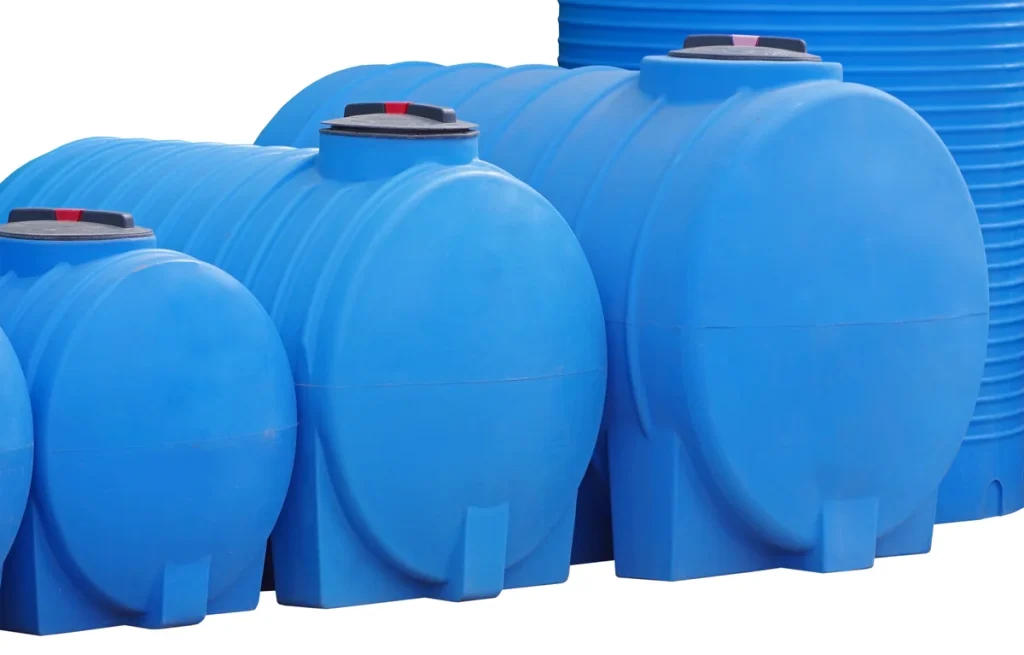
Plastic water tanks come in different shapes and designs depending on their purpose. The most common types are vertical, horizontal, and underground tanks. There are also single-layer and multilayer versions.
Vertical, horizontal, and underground tanks
- Vertical tanks: Compact and ideal for residential use.
- Horizontal tanks: Suitable for wide spaces requiring even load distribution.
- Underground tanks: Hidden installation, protected from temperature changes.
Single-layer and multilayer models
- Single-layer tanks: Budget-friendly but less resistant to sunlight.
- Multilayer tanks: UV-protected, more durable, and long-lasting.
| Type | Advantage | Disadvantage |
|---|---|---|
| Vertical | Space-saving | Limited capacity |
| Horizontal | Even load distribution | Requires more space |
| Underground | Temperature resistant | Harder to install |
| Single-layer | Economical | Less UV protection |
| Multilayer | Durable | Higher cost |

How to Choose the Right Capacity
The right capacity depends on your water consumption and purpose. Choosing the wrong size may lead to inefficiency and higher costs.
Recommended capacities for household use
Average daily consumption per person is about 150–200 liters.
For example:
- 2-person household → 500–1000 liters
- 4-person household → 1500–2000 liters
- 6-person household → 2500 liters or more
Capacity calculation for agriculture and industry
In agricultural or industrial use, calculate capacity based on area size or production volume. Also, consider pumps, filters, and water flow rate.
Checklist for Capacity Selection:
- What is the daily water usage?
- How long should the backup last?
- Is the installation area large enough?
- Is there future expansion planned?
Installation Area and Placement Planning
A water tank’s performance depends heavily on the correct installation location. Poor placement can cause deformation, leakage, or reduced lifespan.
Area measurement and base requirements
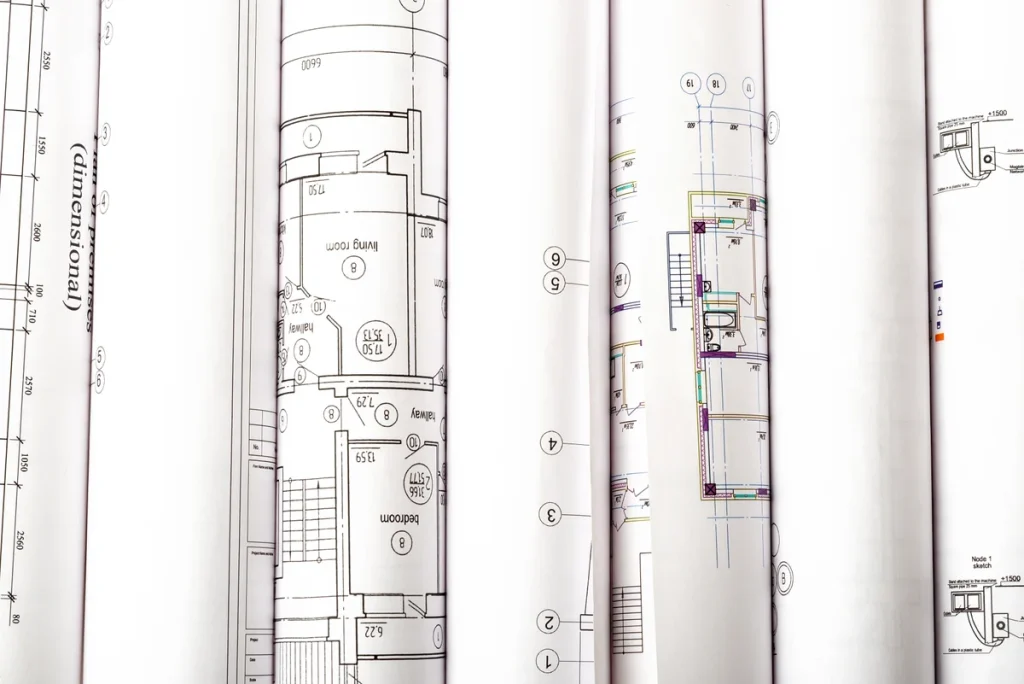
The surface must be flat, solid, and load-bearing — preferably concrete or steel. The slope should allow proper drainage, and there must be space for maintenance access.
Key Considerations:
- Use a spirit level to check the base.
- Support the tank with a plastic pallet or metal frame.
- Keep valves easily accessible.
Sunlight and temperature factors
Avoid placing the tank under direct sunlight. Excessive heat can make plastic brittle. In very hot or cold climates, insulated models are recommended.
Maintenance, Cleaning, and Hygiene Measures
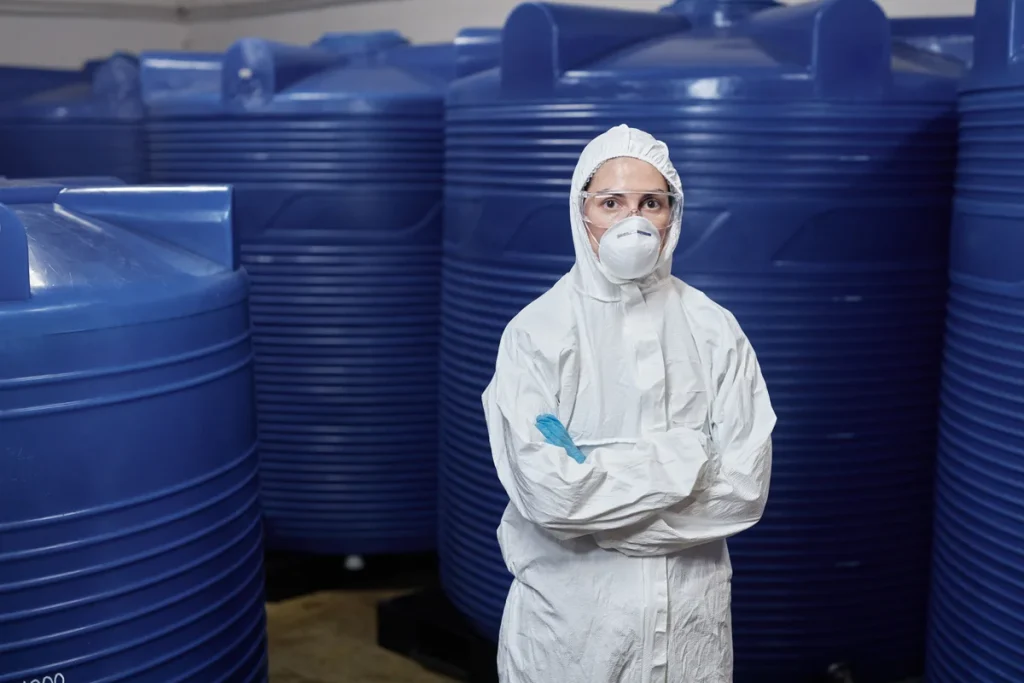
Proper cleaning is essential to maintain water quality. Without regular maintenance, bacteria, algae, and bad odors can develop, posing health risks.
Cleaning frequency and methods
Clean the tank at least twice a year using high-pressure water and soft brushes. Avoid harsh chemicals; natural solutions such as vinegar or baking soda are safer.
Safe cleaning agents
- Food-grade disinfectants
- Low-dose chlorine tablets
- Citric acid or sodium bicarbonate
Common maintenance mistakes
- Using acidic chemicals
- Inadequate rinsing after cleaning
- Ignoring regular cleaning schedules
Tips for Long-Lasting Use
A plastic water tank’s lifespan typically ranges from 5 to 15 years, depending on usage. Proper handling can significantly extend this period.
During filling and emptying
Avoid sudden pressure surges when filling the tank. High pressure can stress and crack the walls. When emptying, open the valve gradually.
Protection from heat and chemicals
Never fill the tank with hot water, solvents, or chemicals. These weaken the plastic. Keep the tank away from heat sources such as engines or generators.
Usage Tips:
- Prevent pressure shocks in hoses.
- Never leave the tank completely empty.
- Don’t expose empty tanks to sunlight for long periods.
- Check regularly for leaks.
Image description: Technical drawing showing best practices for safe tank usage.
Common Mistakes and How to Avoid Them
Users often make mistakes like choosing the wrong capacity or using poor-quality materials. These issues reduce efficiency and tank life.
Wrong capacity selection
Too small — frequent refilling. Too large — wasted space and money. Choose based on actual consumption and needs.
Low-quality material choice
Cheap, uncertified tanks degrade quickly under sunlight and pressure. Cracks and discoloration appear early. Always choose certified, high-standard models.
Common Mistake List:
- Skipping ground inspection before installation
- Choosing non-UV-protected products
- Leaving the lid open
- Neglecting regular cleaning
Image description: Comparison graphic showing correct vs. incorrect tank sizing.
Summary
Choosing a plastic water tank isn’t just about size or price. The right decision ensures durability, hygiene, and safe water storage.
Key takeaways:
- Use food-safe materials.
- Ensure UV protection for outdoor use.
- Select shape and type based on purpose.
- Match capacity to actual water needs.
- Install on a flat, shaded, and solid base.
- Clean at least twice a year.
- Avoid pressure, chemicals, and heat exposure.
Image description: Circular infographic summarizing all main points.
FAQ (Frequently Asked Questions)
Yes, if made from food-grade HDPE. Always check for certification before purchase.
At least twice a year. For frequent use, every three months is better.
With proper care, a quality tank lasts 10–15 years.
Yes. Keeping it open allows dust, insects, and algae to contaminate the water.
Only UV-protected models should. Otherwise, place the tank in shade.
Base it on daily usage and backup duration. Average per person: 150–200 liters.
Uneven or soft ground can destabilize the tank, leading to leaks or deformation.
Yes, if used outdoors without insulation. Underground or insulated models are safer.
No. Chemicals leave residues that affect water taste and safety. Use natural cleaners instead.
Keep the tank shaded, lid closed, and clean regularly.
Choosing the right plastic water tank is vital for comfort and water safety.
Evaluate all technical details before purchasing and plan your installation area carefully.
For expert advice or additional information, feel free to contact us.