A Farming Model That Protects the Future
Sustainable agriculture is an approach that aims to increase agricultural productivity while conserving natural resources. By protecting soil, water, and biodiversity, it develops strategies to ensure a secure food supply both today and in the future. In modern agricultural practices, sustainability is of great importance not only from an environmental perspective but also from an economic and social standpoint.
Protection of Soil and Water Resources
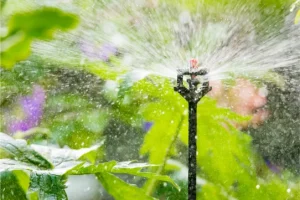
One of the cornerstones of efficient agriculture is the effective use of soil and water resources. Soil enriched with organic matter not only provides better nutrition for plants but also prevents erosion. Modern irrigation methods such as drip irrigation and smart irrigation systems ensure more efficient use of water, thereby preventing unnecessary waste.
Reducing Chemical Input Use
Minimizing the use of chemical inputs in sustainable agriculture is of great importance. It is possible to preserve the balance of the soil and ecosystem by using organic fertilizers and biological pest control methods. These practices both protect human health and help maintain the balance of natural life.
Smart Farming Technologies
Thanks to digital agriculture applications and IoT-based systems, farmers can determine the needs of their fields more accurately. Soil moisture sensors, weather monitoring systems, and drone technologies increase agricultural productivity while optimizing resource use. These technologies contribute to achieving sustainability goals by reducing unnecessary costs in agriculture.
Promoting Local and Organic Agriculture
Supporting local and organic farming instead of large-scale industrial agriculture is an important part of sustainable farming. Local production that reaches consumers directly reduces the carbon footprint and promotes a more environmentally friendly farming model. At the same time, it contributes to the development of regional economies.
Conclusion
Sustainable agricultural practices play a critical role in both protecting natural resources and increasing economic efficiency. With smart agricultural technologies and strategic approaches such as water and soil management, it is possible to leave a more livable world for future generations. More conscious and efficient agricultural processes will also guarantee food security in the long term.