Understanding what a landscape irrigation system is is essential for managing outdoor spaces efficiently and sustainably. Modern landscaping goes beyond aesthetics; it integrates water management, plant health, and long-term environmental considerations. Therefore, landscape irrigation systems aim to deliver the right amount of water at the right time and in the most efficient manner. These systems help maintain healthy green areas while reducing water waste through automation and smart control technologies.
Table of Contents
- Basic Definition of a Landscape Irrigation System
- Benefits of Landscape Irrigation Systems
- Technologies Used in Landscape Irrigation
- Types of Irrigation Systems
- Design Principles in Landscape Irrigation Systems
- Maintenance Tips for Landscape Irrigation Systems
- Common Mistakes in Landscape Irrigation
- Guide to Choosing the Right Landscape Irrigation System
- Summary
- FAQ – Frequently Asked Questions
Basic Definition of a Landscape Irrigation System
A landscape irrigation system is an integrated network designed to supply plants with the appropriate amount of water in outdoor environments. It includes pipes, emitters, sprinklers, smart sensors, timers, and control units. The system ensures consistent water delivery without waste, providing healthier plant growth and efficient water use.
How the System Works
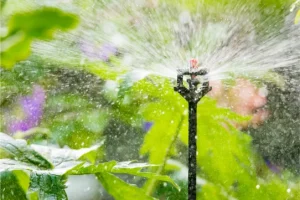
The system distributes water from the main source through pipelines and delivers it to plants through sprinklers, rotors, or drip emitters. Automation features help adjust timing based on environmental needs.

Benefits of Landscape Irrigation Systems
Landscape irrigation systems offer various practical advantages for property owners and maintenance teams. They improve water efficiency, reduce manual workload, protect plant health, and support sustainability.
Key Benefits List
- Reduces water waste.
- Supports strong root development.
- Automates watering schedules.
- Ensures even water distribution.
- Minimizes labor requirements.
- Boosts efficiency in large areas.

Technologies Used in Landscape Irrigation
Modern systems utilize advanced technologies to increase precision and efficiency. Sensors and controllers help adjust watering based on real-time conditions.
Technology Comparison Table
| Technology Type | Function | Advantage |
|---|---|---|
| Rain sensor | Stops watering during rainfall | Prevents water waste |
| Soil moisture sensor | Measures soil hydration level | Avoids overwatering |
| Timer | Schedules irrigation periods | Full automation |
| Smart controller | Analyzes data and adjusts plan | Optimized water usage |
Types of Irrigation Systems
Different irrigation systems serve different landscape needs. Their selection depends on plant types, area size, and soil structure.
System Types List
- Drip irrigation: Delivers water directly to plant roots.
- Sprinkler system: Ensures even water distribution for lawns.
- Rotor system: Covers wider areas with rotating heads.
- Subsurface irrigation: Keeps the surface clean and reduces evaporation.
Comparison Table
| System Type | Best Use Case | Water Efficiency |
|---|---|---|
| Drip | Shrubs, flower beds | High |
| Sprinkler | Lawn areas | Medium |
| Rotor | Large landscapes | Medium–High |
| Subsurface | Modern landscapes | High |
Design Principles in Landscape Irrigation Systems
Designing an irrigation system requires accurate planning. Factors such as soil type, plant groups, landscape slope, and water pressure must be considered. Proper design ensures long-term performance and minimal water loss.
Core Design Steps
- Analyze site conditions.
- Group plants by water needs.
- Create irrigation zones.
- Plan pipeline layout.
- Select appropriate sprinkler or emitter types.
- Add automation components.
Maintenance Tips for Landscape Irrigation Systems
Regular maintenance keeps the system running efficiently. Over time, nozzles may clog, pressure may drop, or sensors may lose accuracy. Proper care prevents these issues.
Maintenance Checklist
- Clean sprinkler heads regularly.
- Check flow and pressure levels.
- Inspect pipes for leaks.
- Recalibrate sensors.
- Adjust schedules seasonally.
Common Mistakes in Landscape Irrigation
Mistakes in irrigation setup can lead to wasted water and unhealthy plant growth. Recognizing these errors helps ensure correct installation and operation.
Mistake Table
| Mistake | Result | Solution |
|---|---|---|
| Incorrect sprinkler angles | Uneven watering | Reposition sprinklers |
| Wrong timer settings | Overwatering | Adjust programming |
| No sensor integration | Unnecessary water usage | Add moisture/rain sensors |
| Improper pipe slope | Pressure loss | Reconfigure layout |
Guide to Choosing the Right Landscape Irrigation System
Choosing the right system depends on landscape size, plant diversity, soil composition, and climate. Automation level and maintenance needs also play a major role.
Selection Tips
- Use drip irrigation for small plant-based areas.
- Choose sprinklers or rotors for wide lawns.
- Integrate smart controllers and sensors.
- Adjust flow according to soil type.
Summary
Landscape irrigation systems enable sustainable water management in outdoor environments. With proper design, technology selection, and regular maintenance, these systems offer long-term efficiency, plant health, and water savings.
FAQ – Frequently Asked Questions
It ensures that plants receive the right amount of water consistently. This supports healthy growth, reduces manual labor, and helps conserve water through automation.
Drip irrigation is generally more efficient since it feeds water directly to roots. Sprinklers, however, are more suitable for larger lawn areas.
Seasonal maintenance is typically enough, but large landscapes may require monthly checks. Cleaning heads and checking sensors are essential tasks.
Yes. Rain and moisture sensors prevent unnecessary irrigation, reducing water consumption significantly.
With proper zoning, different plant groups can receive tailored watering. This makes systems suitable for almost any landscape design.
Early morning or evening is ideal. Using timers ensures consistent and efficient watering cycles.
It works well in modern landscapes where aesthetics and evaporation control are priorities.
Incorrect pressure affects the performance of irrigation heads, causing uneven watering or overspray.
You can install small systems, but larger areas require professional planning due to pipe layout, pressure calculations, and sensor setup.
A well-configured system can reduce water usage by 30–50% compared to traditional manual watering.
If you want to learn more about landscape irrigation systems or need professional support for designing the right solution for your outdoor space, feel free to contact us. Our team can guide you through system planning, installation strategies, and long-term maintenance recommendations.