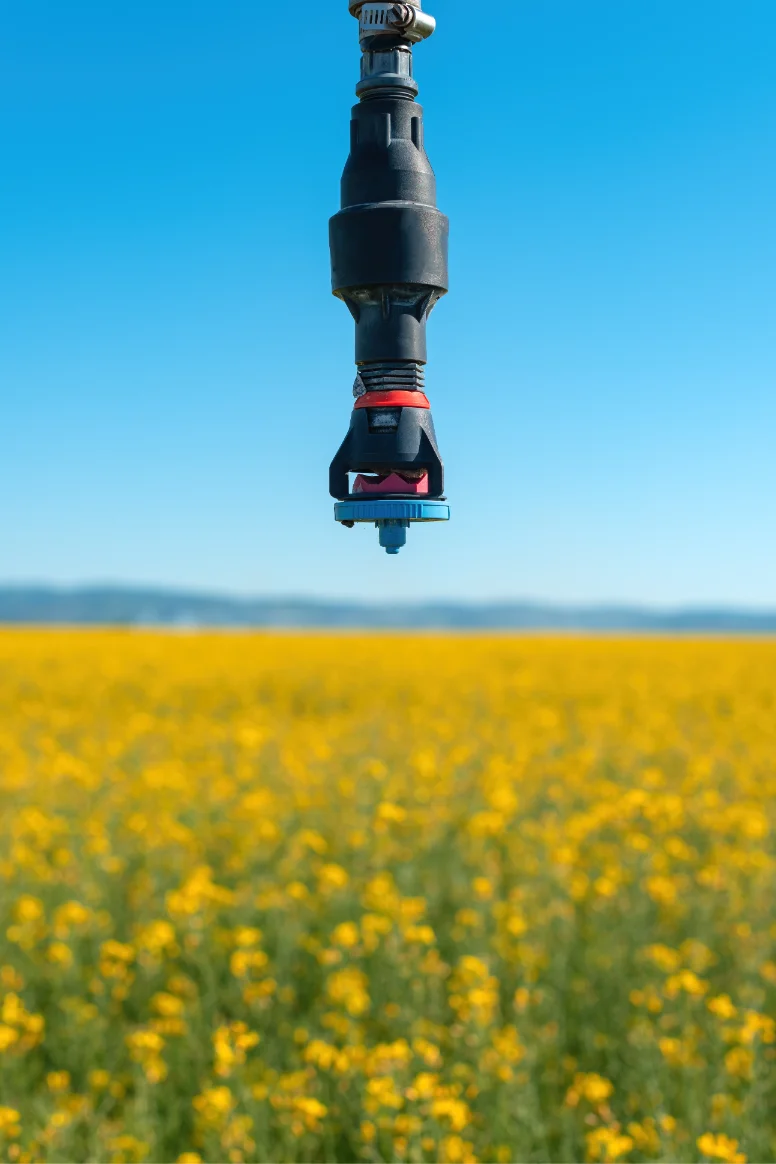
Take Productivity to the Peak with Hydroponic Irrigation!
What is Hydroponic Irrigation?
Hydroponic irrigation is an irrigation system used in soil-less farming practices. This system supports healthy growth by supplying water directly to the root zones of plants. Irrigation is designed to ensure that water is delivered to plants in a controlled and efficient manner. This system, which is commonly used in greenhouses and open fields, allows for the correct amount of plant nutrients to be supplied in environments where there is no soil. Hydroponic irrigation offers an efficient and sustainable irrigation solution tailored to the needs of plants, particularly in modern agriculture.
Hydroponic irrigation is an efficient and sustainable solution that supports the healthy growth of plants in soil-less farming.
Hydroponic irrigation provides the water needed by plants in soil-less farming in a controlled manner.
Irrigation Methods and Areas of Use
In hydroponic irrigation systems, water is delivered to the roots of plants in an appropriate manner. In these systems, water is typically supplied to plants using drip emitters or ring systems, ensuring that each plant receives the precise amount of water it requires. This method is particularly ideal for crops grown under controlled conditions. Products such as tomatoes, strawberries, and blueberries are typically grown in special growing media like coconut coir or peat moss. For these plants, which grow in a soil-less environment rather than in soil, proper water delivery is of utmost importance.
Water Management in Hydroponic Systems
The main feature of hydroponic irrigation systems is that water is supplied to plants in a highly controlled manner. This system delivers the water that plants need directly to their roots, ensuring that water is used efficiently. Additionally, a mechanism is set up to ensure that water is used fully by the plants without being wasted. This helps conserve water and keeps plants at an optimal moisture level at all times. The proper transportation of both water and nutrients supports healthy plant growth and high yields.
Hydroponic irrigation provides controlled water distribution for efficient water use and healthy plant growth.
Hydroponic irrigation sets ensure efficient use of water and proper distribution of nutrients to plants.
Pressure Regulators and Drippers
Hydroponic irrigation sets ensure that water reaches plants at the correct pressure thanks to the pressure regulators (PC) they contain. These regulators help maintain the moisture level required by plants by ensuring that water is distributed equally to each plant. Additionally, the no drain (ND) overhead drippers used in the system prevent water waste and ensure that water reaches the plants directly through a leak-proof system. The use of these systems ensures that the nutrients required by the plants are delivered correctly and that every drop of water is used efficiently.
Advantages of Hydroponic Irrigation for Efficient Agriculture
Hydroponic irrigation offers an ideal solution for making the most of the advantages of soil-less farming. This system ensures that plants receive the right amount of water and nutrients at every stage. Compared to traditional irrigation methods, it is a more efficient and water-saving approach. Hydroponic irrigation prevents excessive water consumption while promoting healthy plant growth. For these reasons, it is preferred as an environmentally friendly and sustainable agricultural solution.
Hydroponic irrigation provides sustainable and healthy agriculture by using water efficiently.
Agricultural Irrigation
Efficient Water Use and Sustainable Agricultural Methods
Efficient water use promotes sustainable production by preventing water waste in agriculture, while helping to increase soil fertility through proper irrigation techniques.
Drip Irrigation
Drip irrigation saves water by delivering it directly to plant roots, while contributing to more efficient plant growth.
Under-tree micro-sprinkling minimizes water loss and supports healthy plant growth by delivering water directly and efficiently to the root zone of trees.
Greenhouse irrigation increases productivity by accurately meeting the water needs of plants in a controlled environment, while also preventing water waste.
Hydroponic irrigation is an efficient and sustainable farming method that provides plants with nutrients by mixing them directly into water without using soil.
Center pivot systems are an effective irrigation method that increases agricultural productivity while saving water by ensuring that water is distributed evenly across large areas.